
PROJECT
BIOCYCLE
Circular = green.
After building on my passions for environmentalism, art, and design, I wanted to work on a project that merged my passions to create change. I utilized my research class at school (based on a year-long research project) to dive deep into the plastic waste crisis and its emerging solutions. Through my research, I discovered a prominent and emerging solution: Circular Economies.
Circular Economies: Design with a purpose
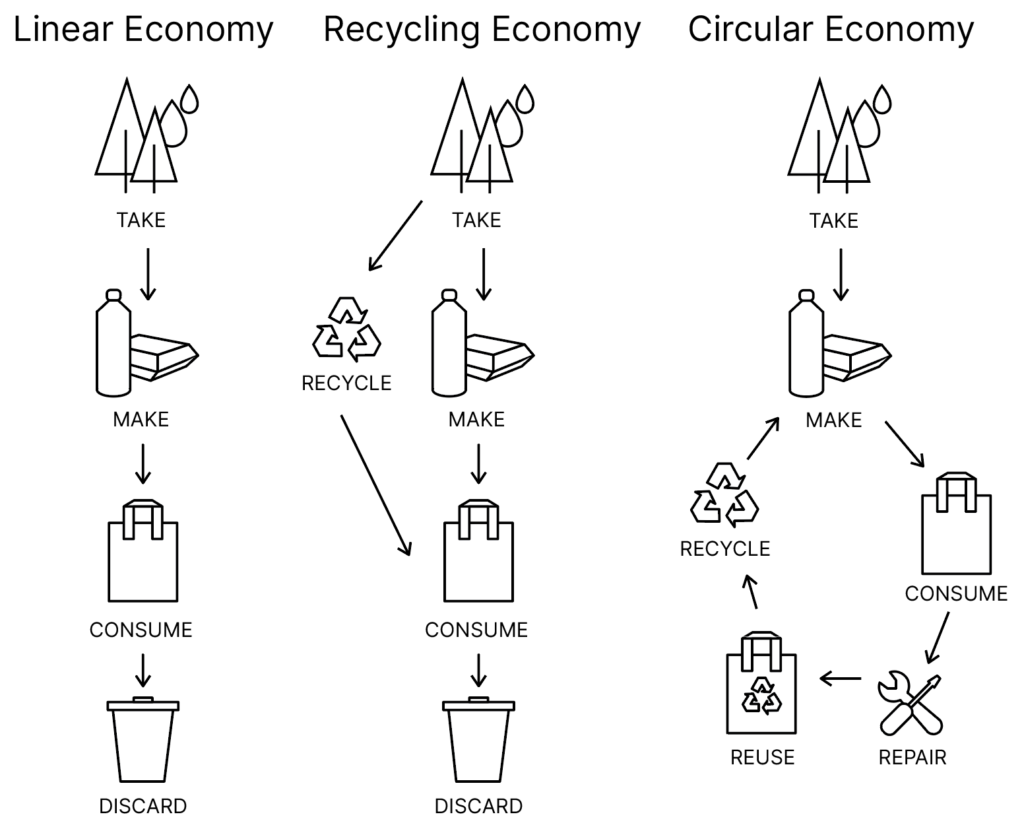
In a circular economy, designers and manufacturers are given incentives to reuse products, instead of discarding them. The Ellen MacArthur Foundation is a leader in funding the advancement and promotion of this innovative system of production with a goal of eliminating waste and pollution, through better circulation of products and materials, and regeneration of natural assets.
The system starts with product design, where products would be designed with the intention of being remade into new products when the customer is done using them. Products would be developed to maintain material value and energy in the process.
This system requires companies to take responsibility for their products during, and after production and consumption, along with greater government regulation to fully implement this process into society. It is an economic system that achieves more positive outcome for people and the environment.
Bioplastics: through the framework of CEs
Bioplastics are an alternative to conventional petroleum plastics and are an umbrella term for two categories of plastics: Bio-based and Biodegradable plastics. Term definitions are listed below.
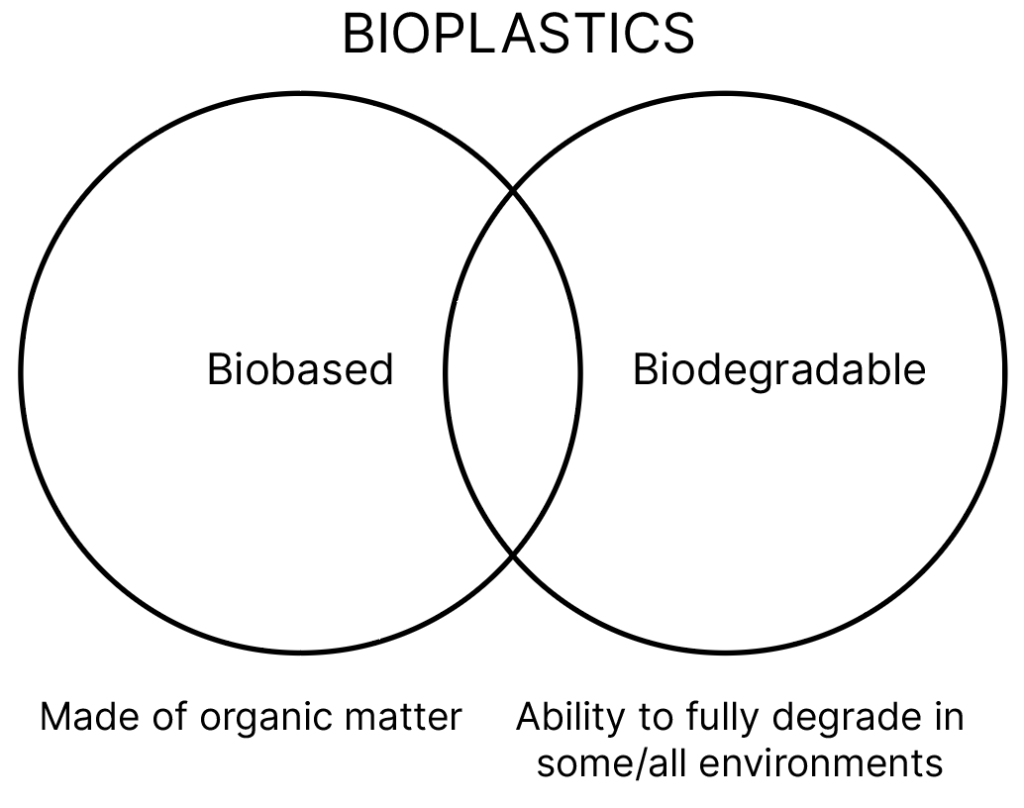
Bioplastics can act as a non-toxic alternative to the petroleum plastics used today. Ideally, when plastics are biobased and biodegradeable, they can be discarded/composted and degrade into matter that can be cycled back into the environment.
However, the categories of Bioplastics can be deceiving. Some companies state that their products are made of Bioplastics when they may be only biodegradable and not made of natural materials. This can lead to toxic materials being degraded into the environment, creating microplastics and further harming the environment. Conversely, products can be made from Bio-based materials but cannot biodegrade or biodegrade in very specific environments (depending on temperature or in water). Additionally, bioplastics still do significant harm to the environment with pesticides and processes used to create plastic out of existing organic matter. Of course, this confusing labeling can mislead customers into thinking they are purchasing sustainable products when they are not. As of now, bioplastics only make up around 1% of plastic. Regulation of plastic labeling and increased research and investment into bioplastics is needed to create an effective alternative to standard petroleum plastic.
If we harness the concepts and ideals presented in Circular Economies, we can create bioplastics that are designed for zero-waste and continuous circulation.
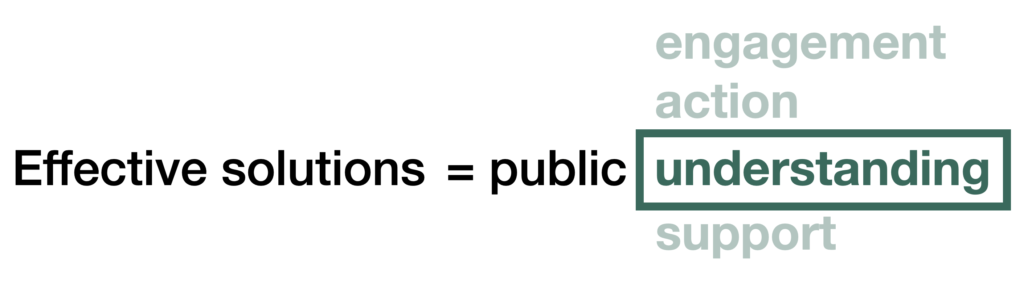
Engaging the public in discussions surrounding plastic waste and its possible solutions will foster new research and awareness. Effective solutions require public support, understanding, action, and engagement. Today, with the rising threat of pollution and climate change coupled with other serious societal issues art can be an
essential tool in combatting these deep-rooted problems as it appeals to a broader audience through emotional and visual connection. Art can inform and unite communities through interactive art pieces that engage the audience.
Art + Design for Purpose: Accessible, informative, engaging.
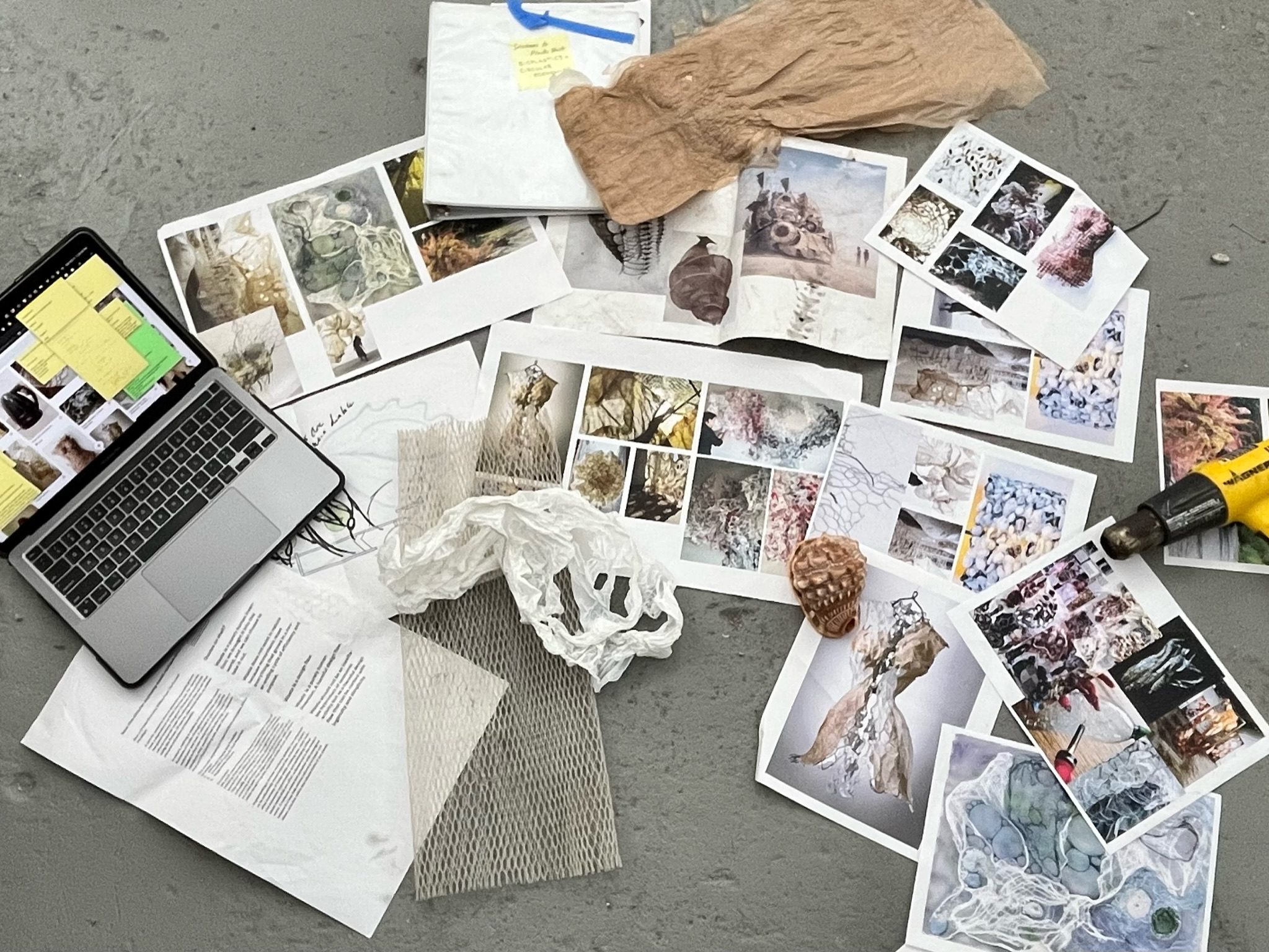
1. INITIAL BRAINSTORM
Using my passion for Art and Design, I set off to create a piece that could spread awareness about plastic waste and the emerging solutions. I thought about some questions I wanted to address before designing the product and I brainstormed a list of what purposes my piece had and the goals I wanted it to accomplish.
- Population: Who would the piece reach?
- I want to reach as many Houstonians as possible (ACCESSIBLE)
- What is it’s purpose?
- Inform public on Circular economies and the plastic waste crisis (INFORMATIVE)
- How will I visually represent Circular Economies and plastic waste in a way that is intriguing to the general public? (ENGAGING)
accessible.
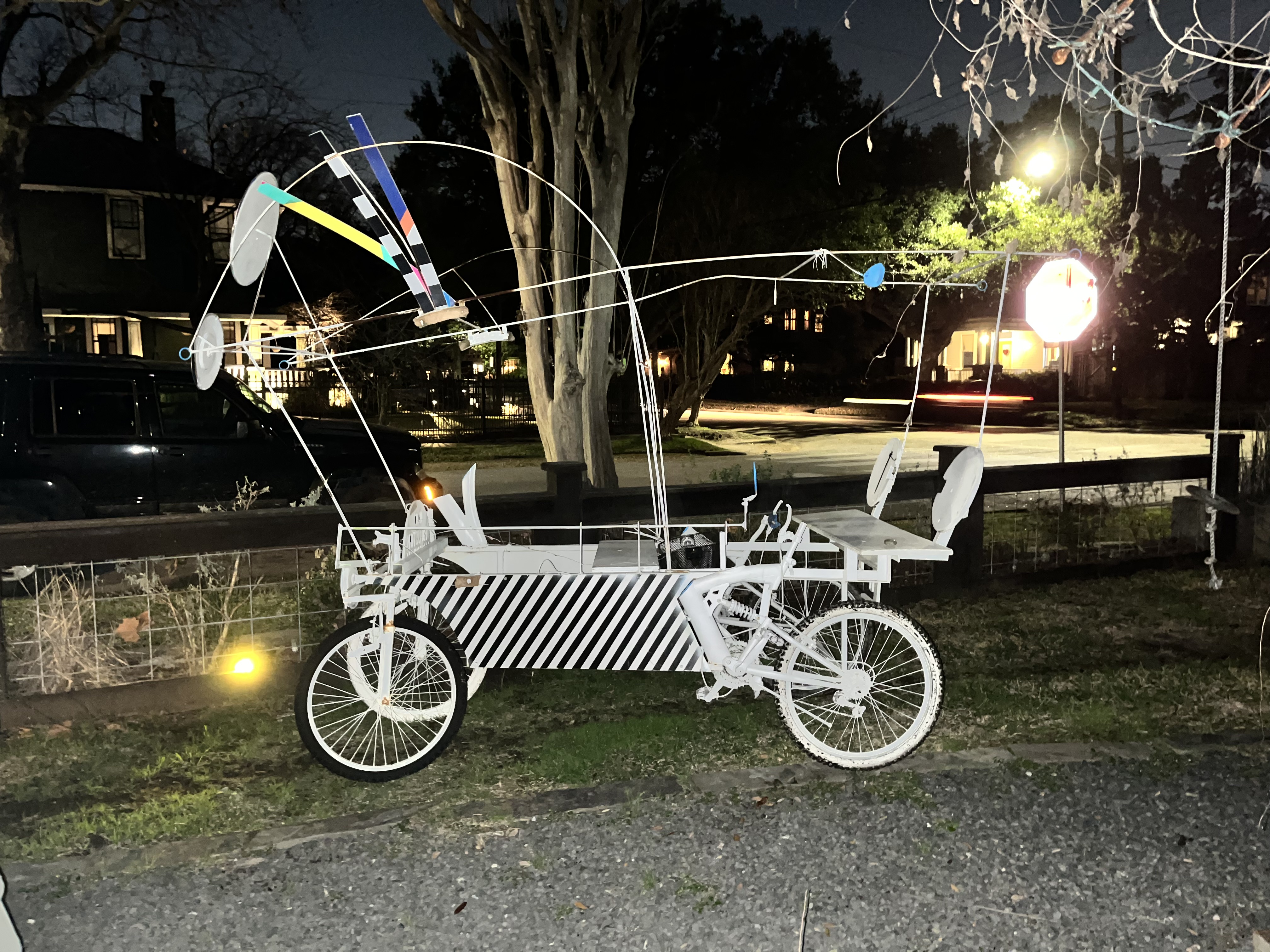
Building on my hope for it to reach as many Houston populations as possible, I chose to make something mobile. I decided my piece would be a bicycle to symbolize circularity and green transport. Through my previous work on Art Bikes, I already had a four wheeled bike frame to use. I thought this would be the perfect basis because the quadricycle (four-wheeled bike) is made out of my old bikes that are welded together to create something new. This would tie into my idea of upcycling and sustainability.
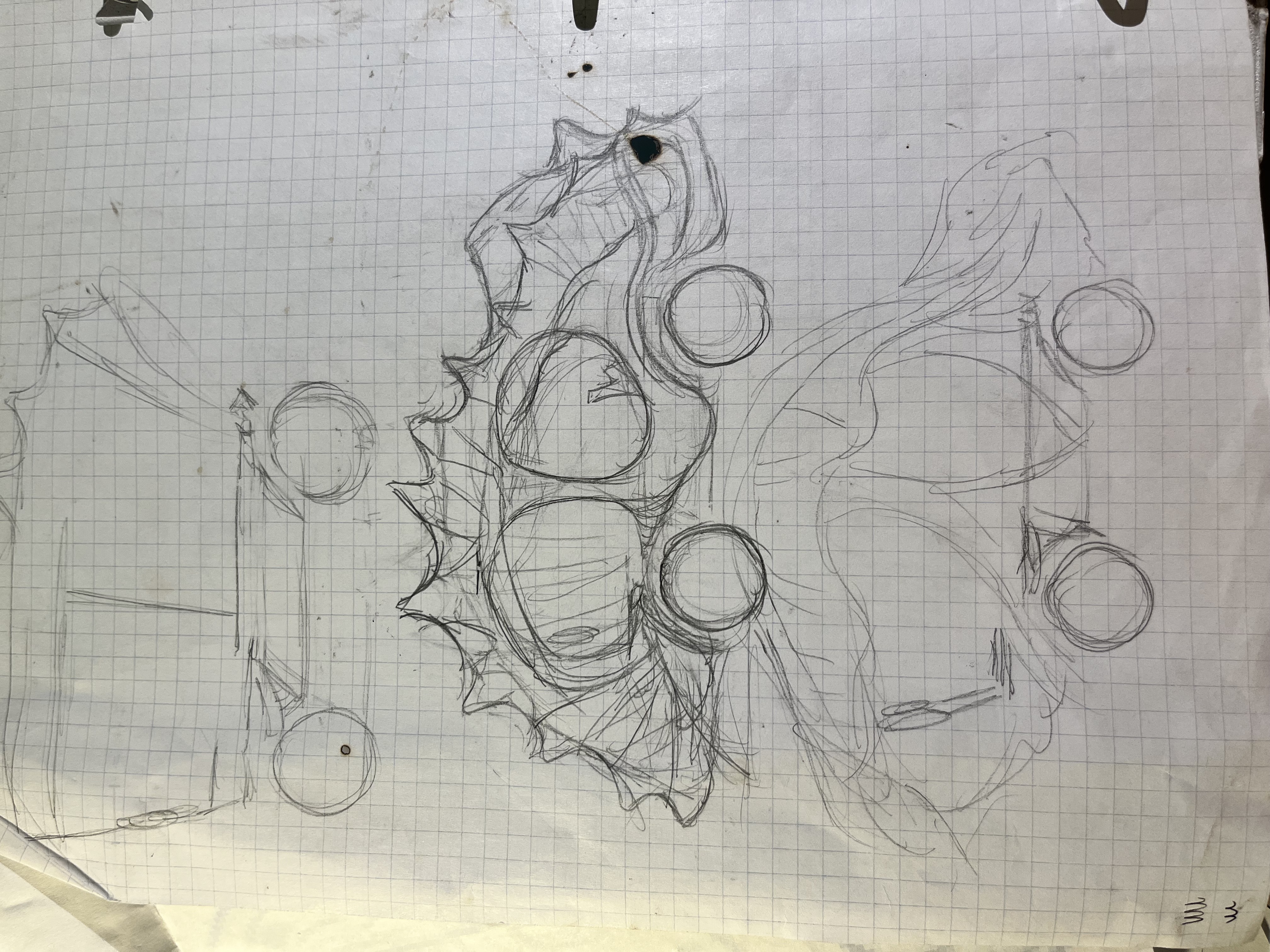
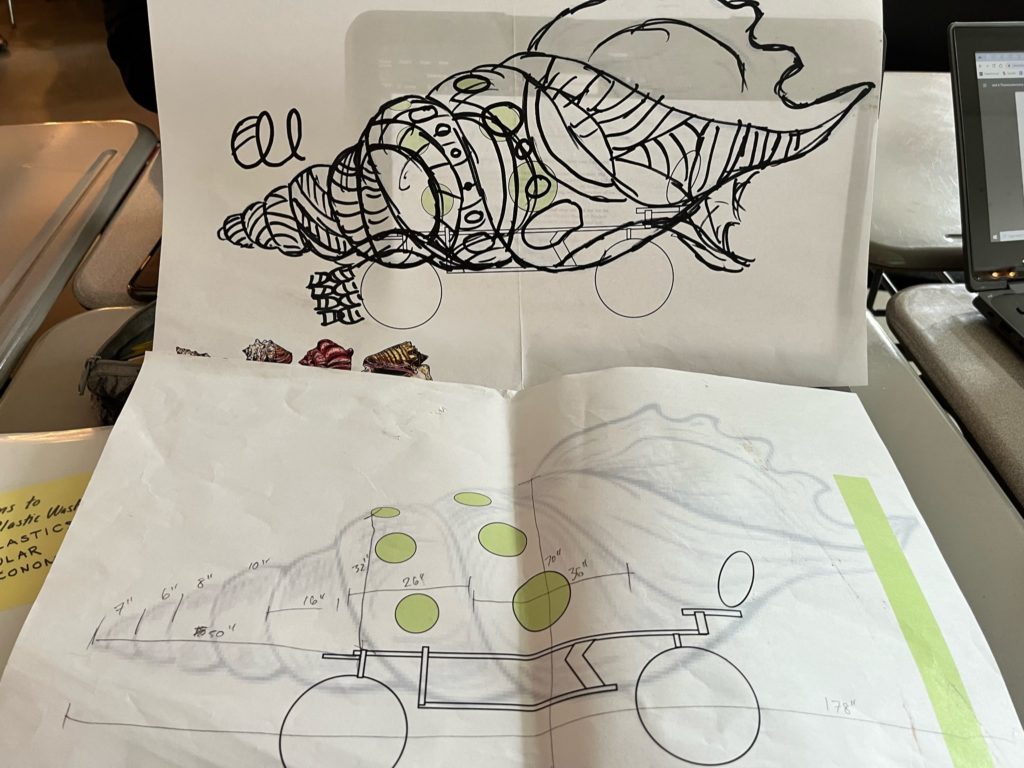
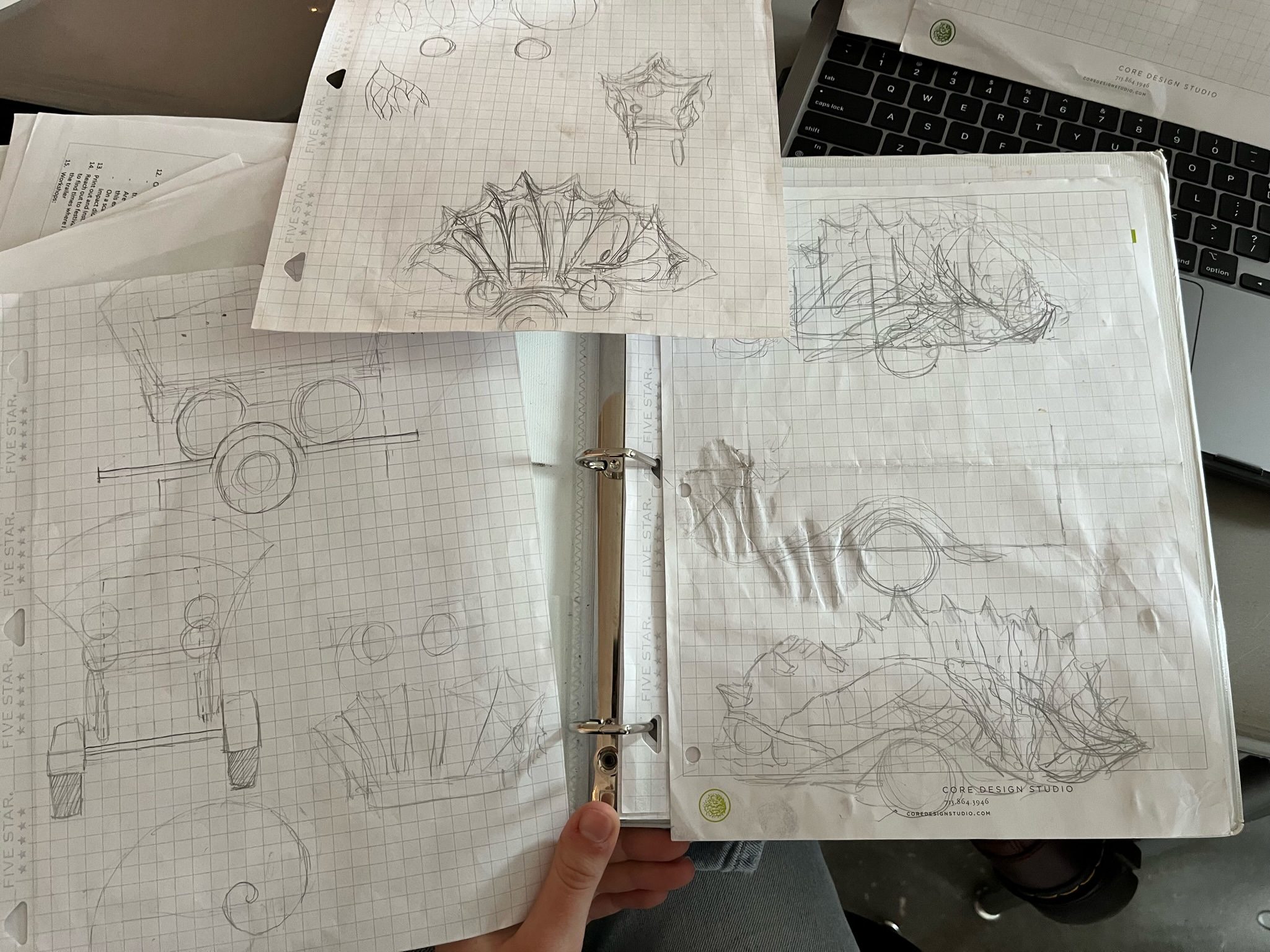
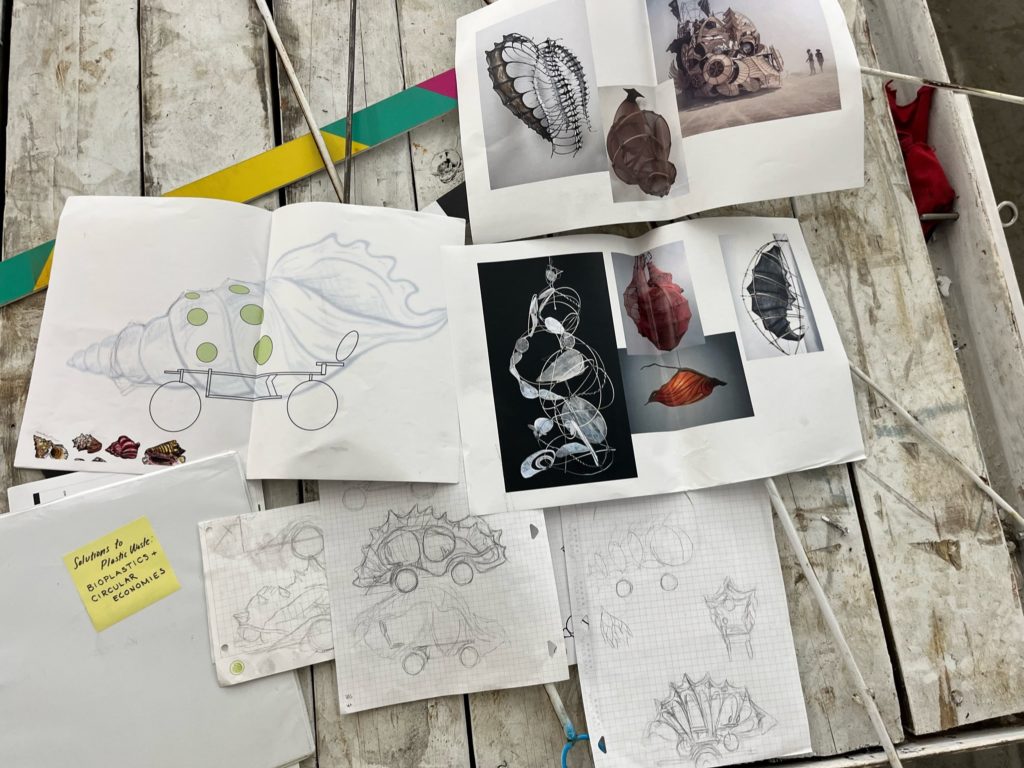
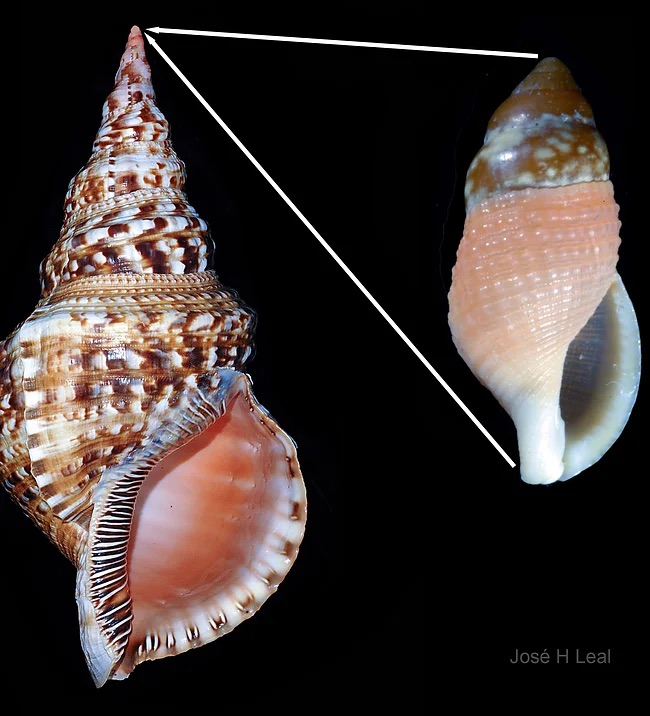
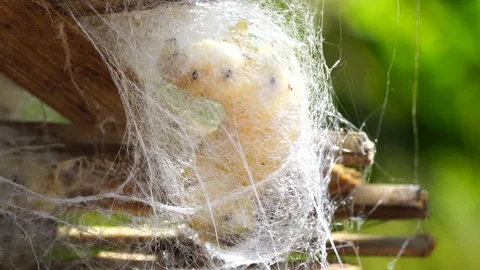
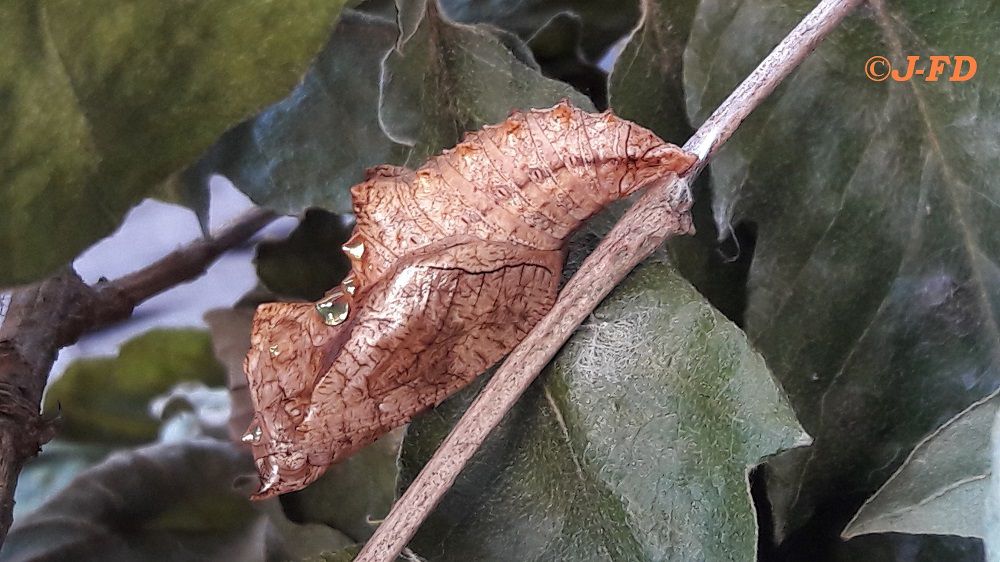
Taking inspiration from other “containers” in nature, I sketched different ways I could mimic these organic shapes and integrate them into the piece. Thus, emphasizing the message of mimicing nature’s containers in our own product designs to strive for more sustainability and circularity.
2. MATERIAL EXPERIMENTATION + CONSTRUCTION
BIKE STRUCTURE
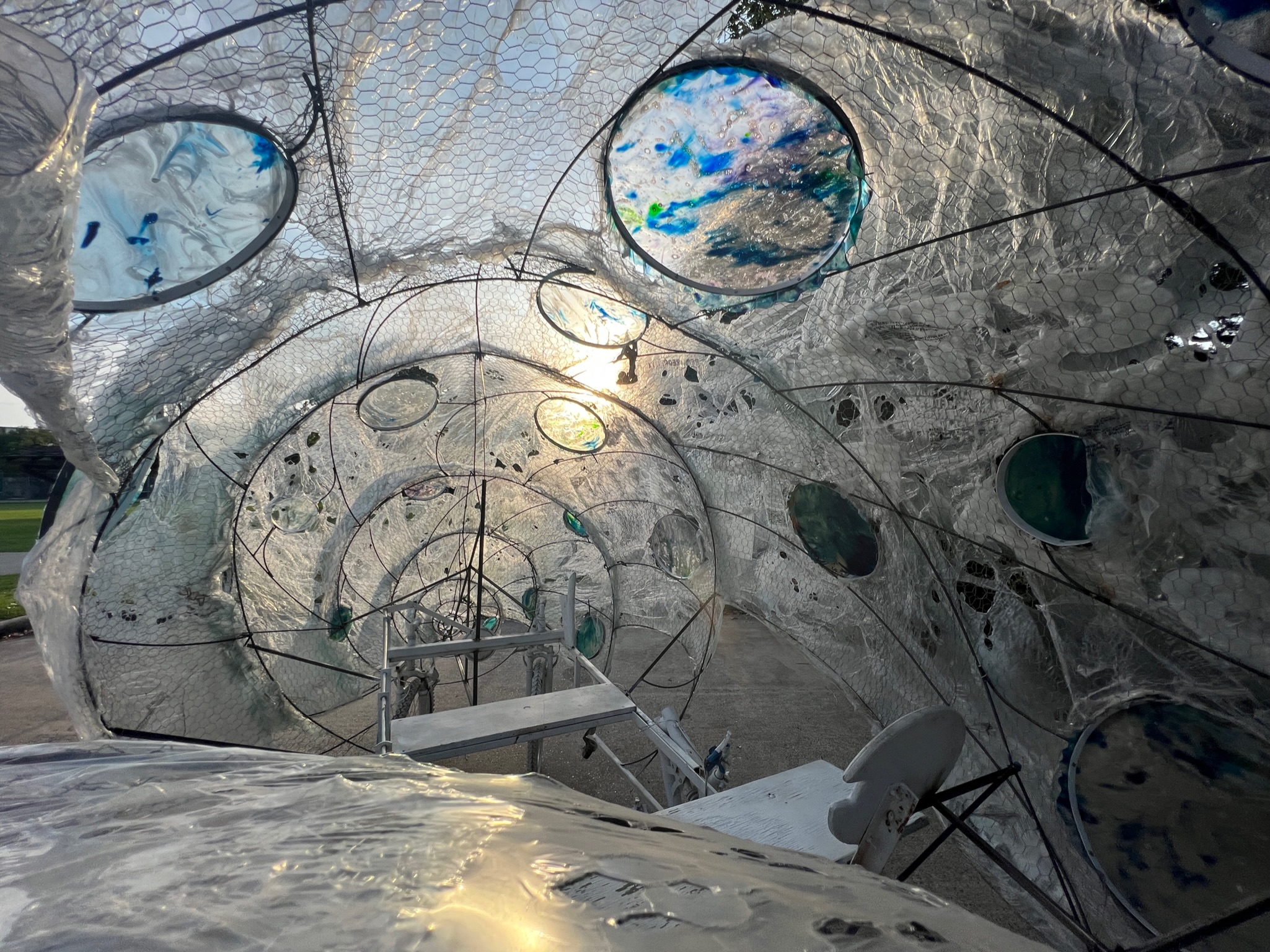
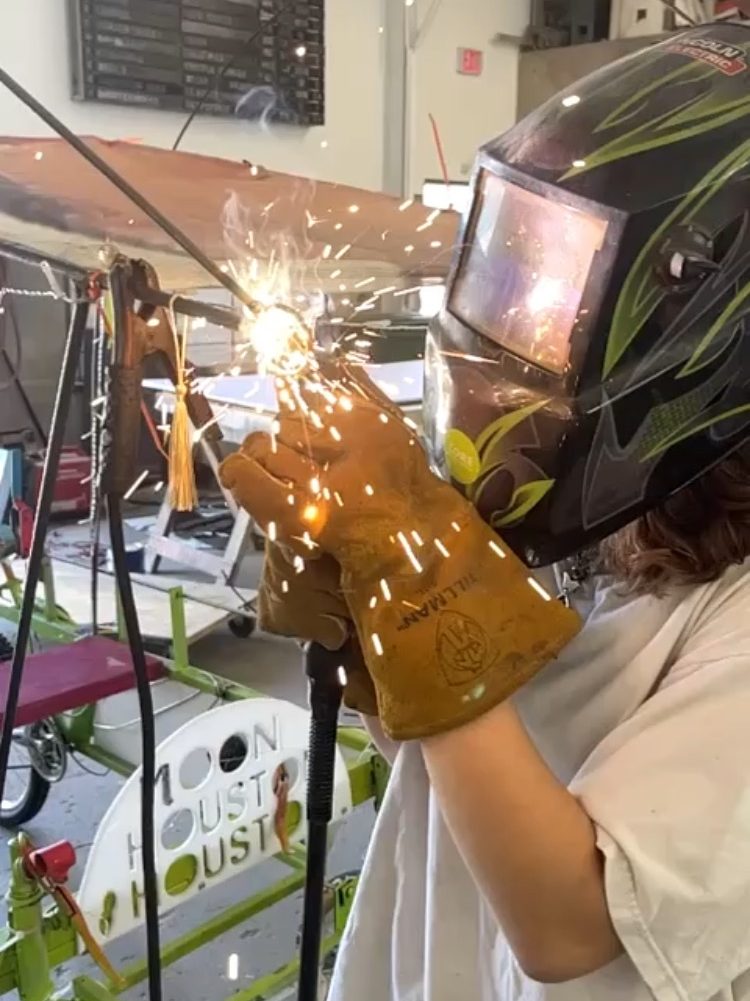
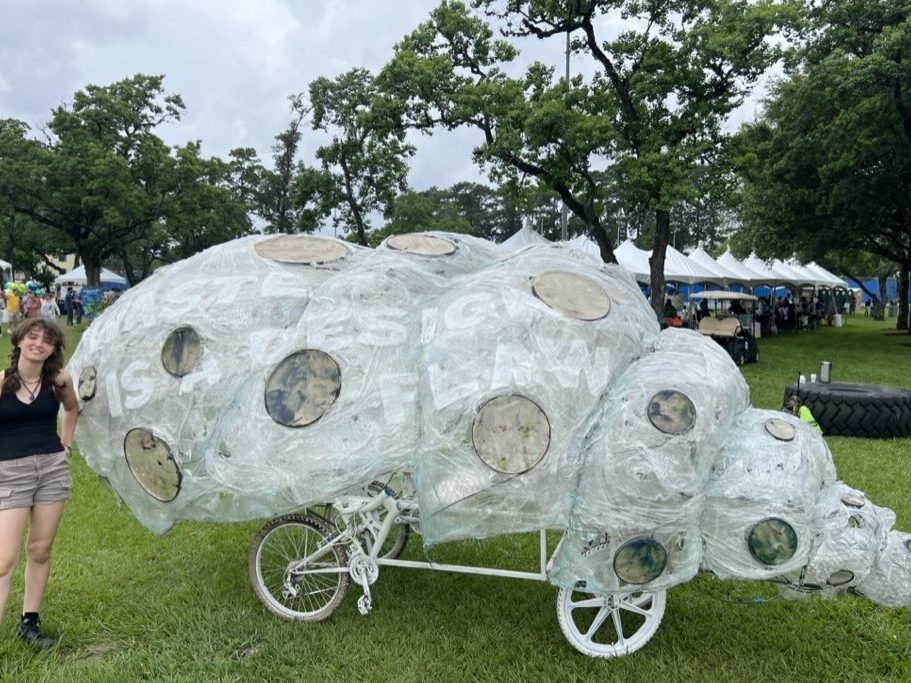
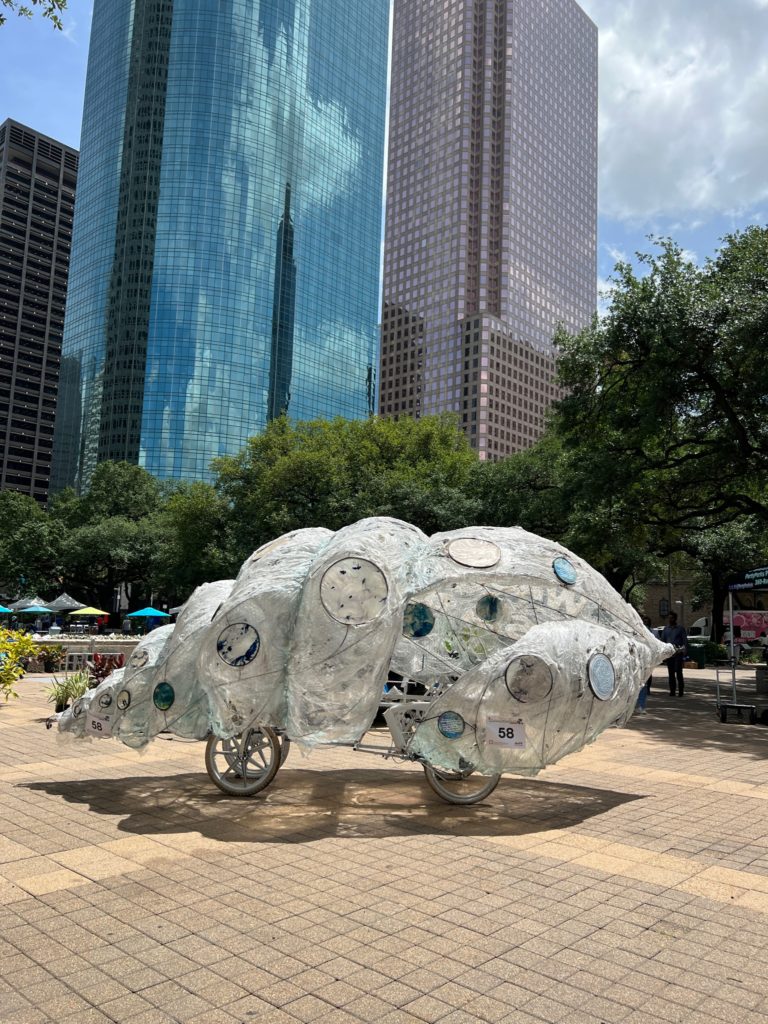
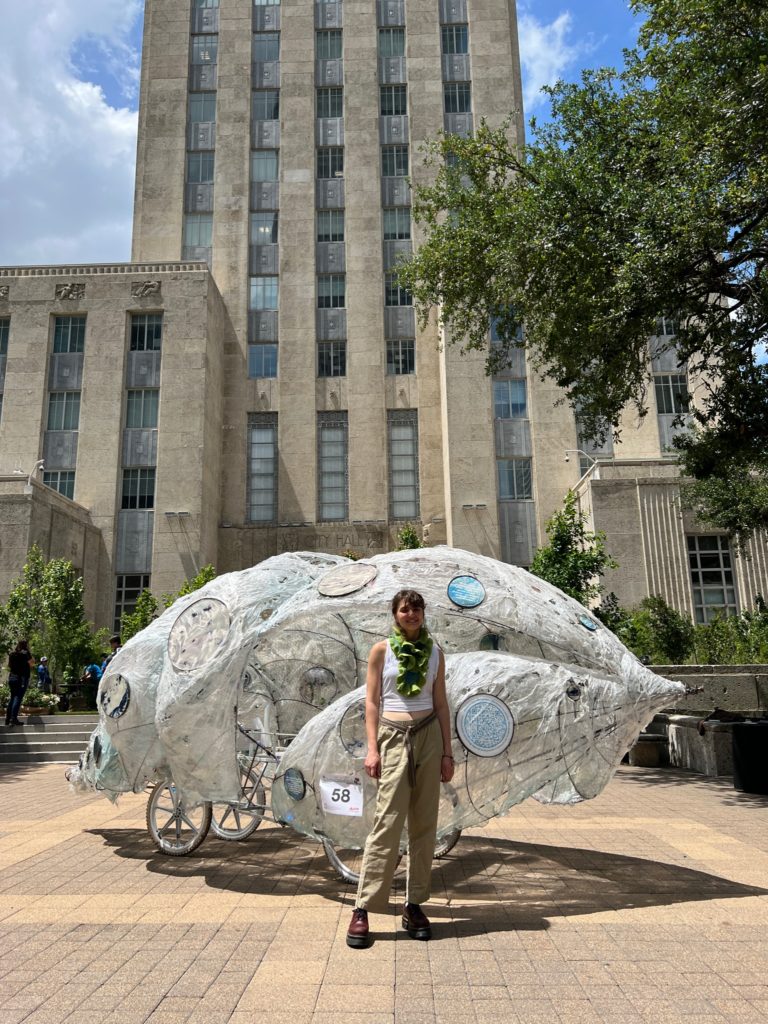
My finalized concept was a shell shaped structure with a spiraling front end and opening at the back of the quadricycle. Welding the structure was the most time consuming out of any other element of the bike.
SKIN
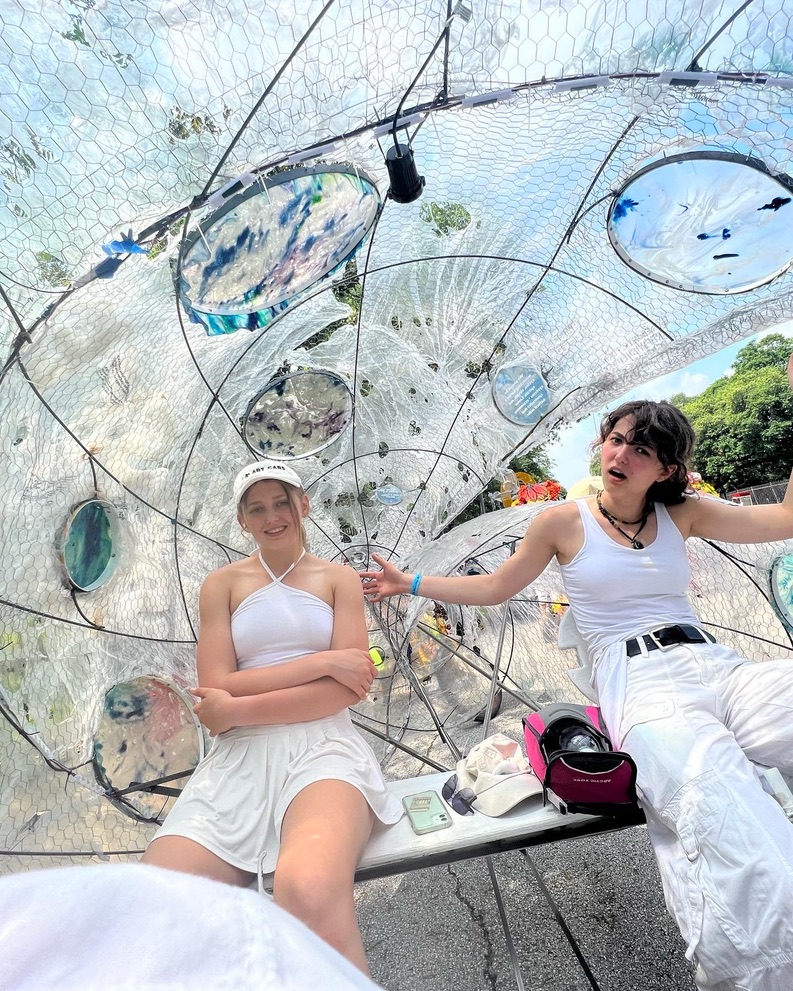
I experimented with a couple of ways I could utilize used plastic to cover the structure. I wanted to create a natural texture that you can find in nature. The top image is what I landed on: clear and heated upcycled plastic to mimic silk worm webs.
MAKING OF BIOPLASTICS
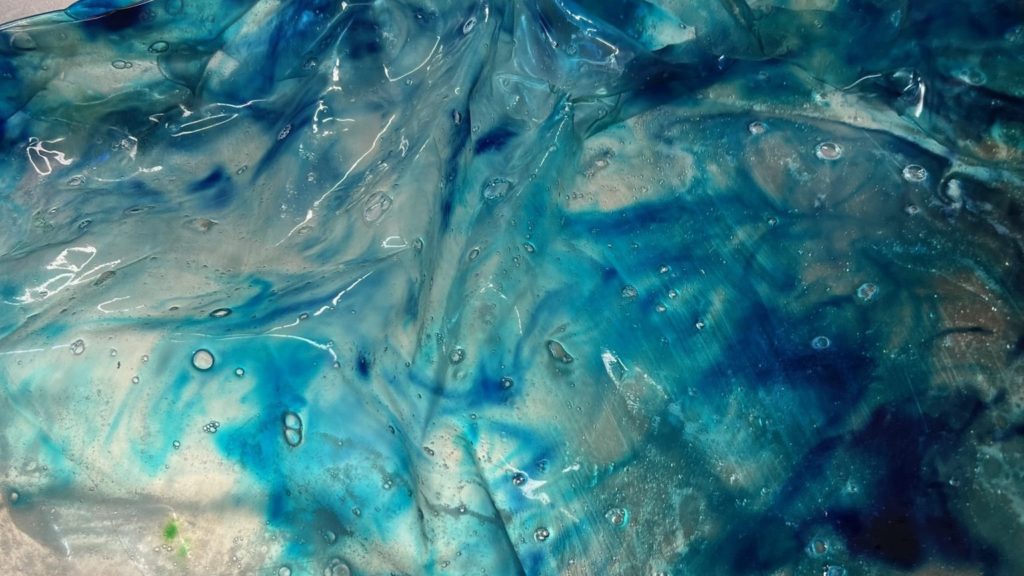
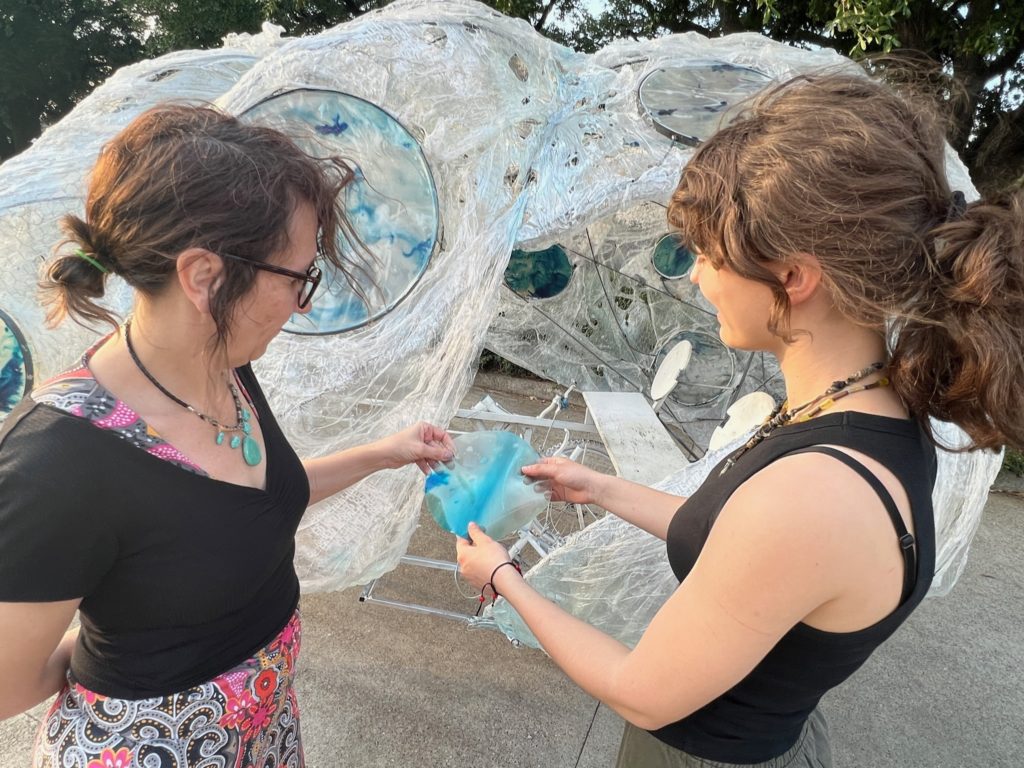
I decided to feature bioplastics on the mobile piece to give the public the opportunity to touch and see bioplastic first hand. These bioplastics would be located in the circles that spiraled around the shell structure.
I began to look for recipes online with ingredients that were easily accessible to me (given I had a short amount of time to work on the project), not complicated (able to make with common kitchenware), and affordable.
The two recipes I found consisted of heating up water in a pot and adding ingredients as you go until the substance is ready to pour into a mold or onto a pan.
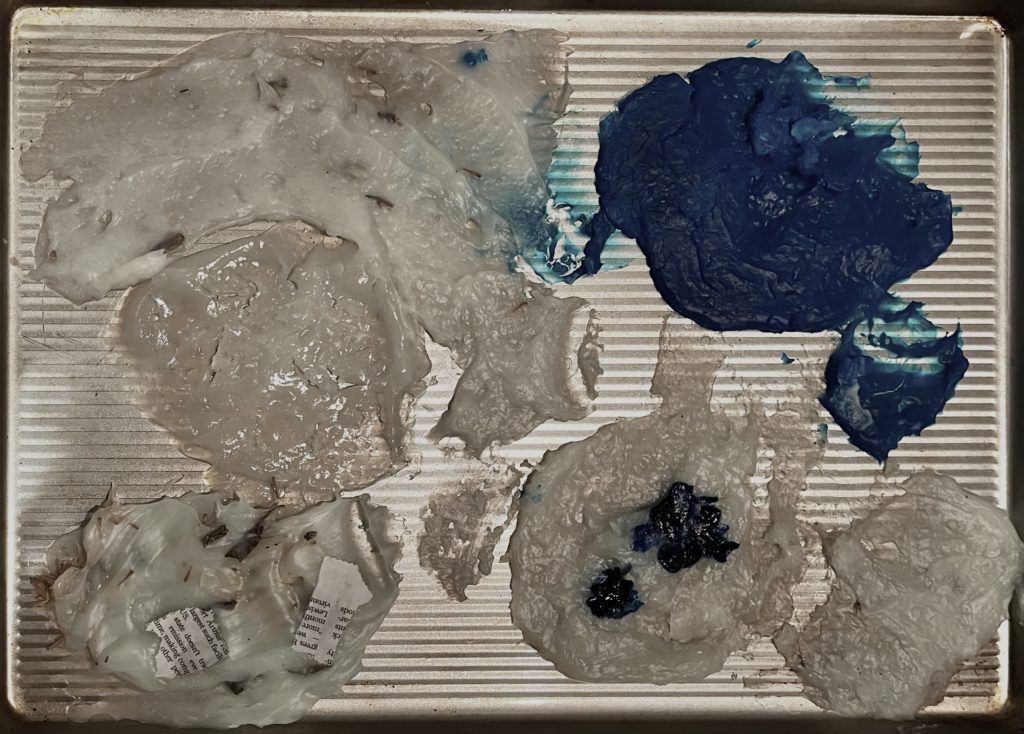
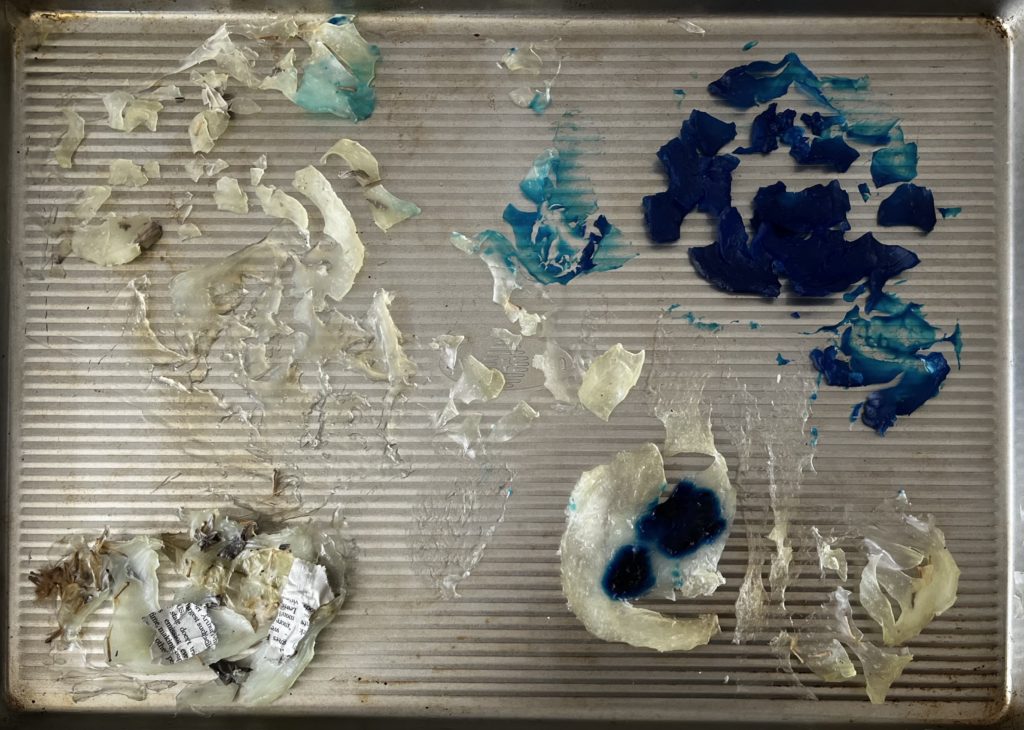
Recipe #1 First Trial: Cornstarch, vinegar, glycerin, and water.
Take away: cracked + brittle = add more glycerin, make thin sheets
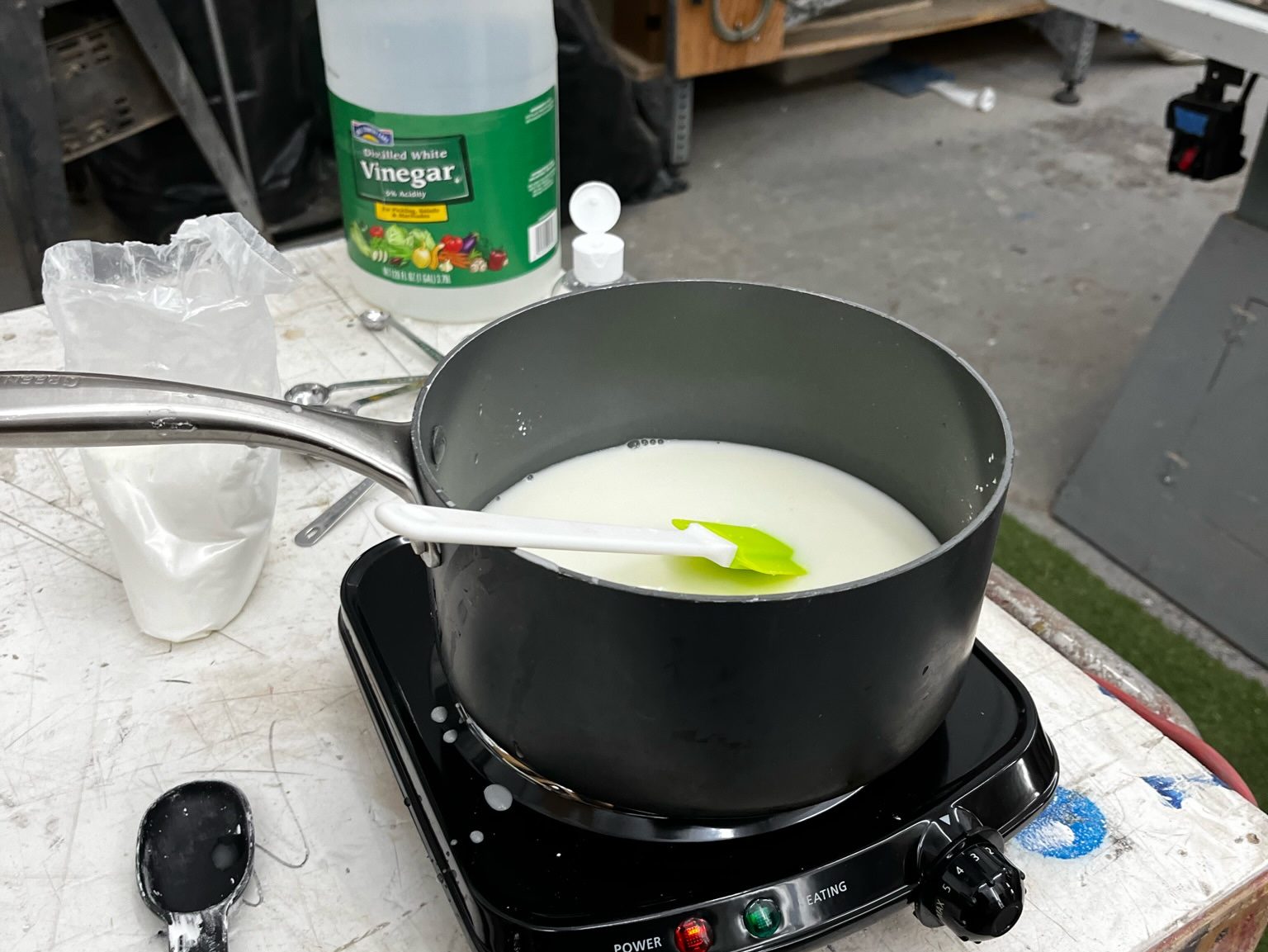
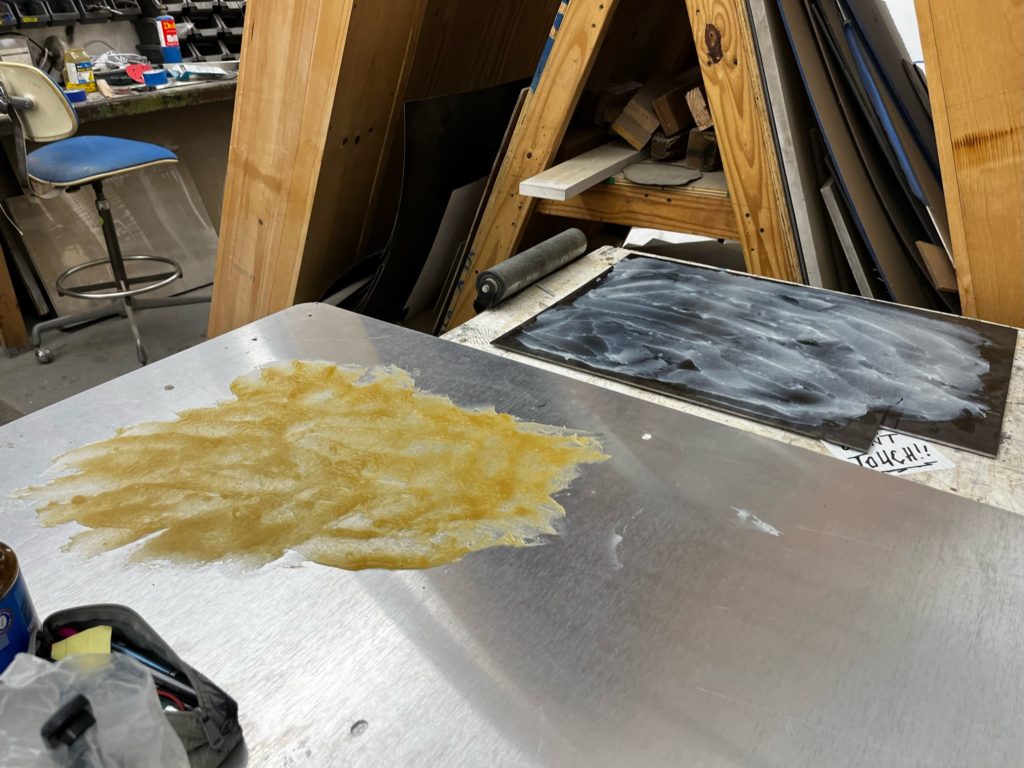
Recipe #1 Second Trial: Cornstarch, vinegar, glycerin, and water.
Take away: Even though I added more glycerin and made it thinner, it was still cracked and brittle after drying. I decided to try a new recipe.
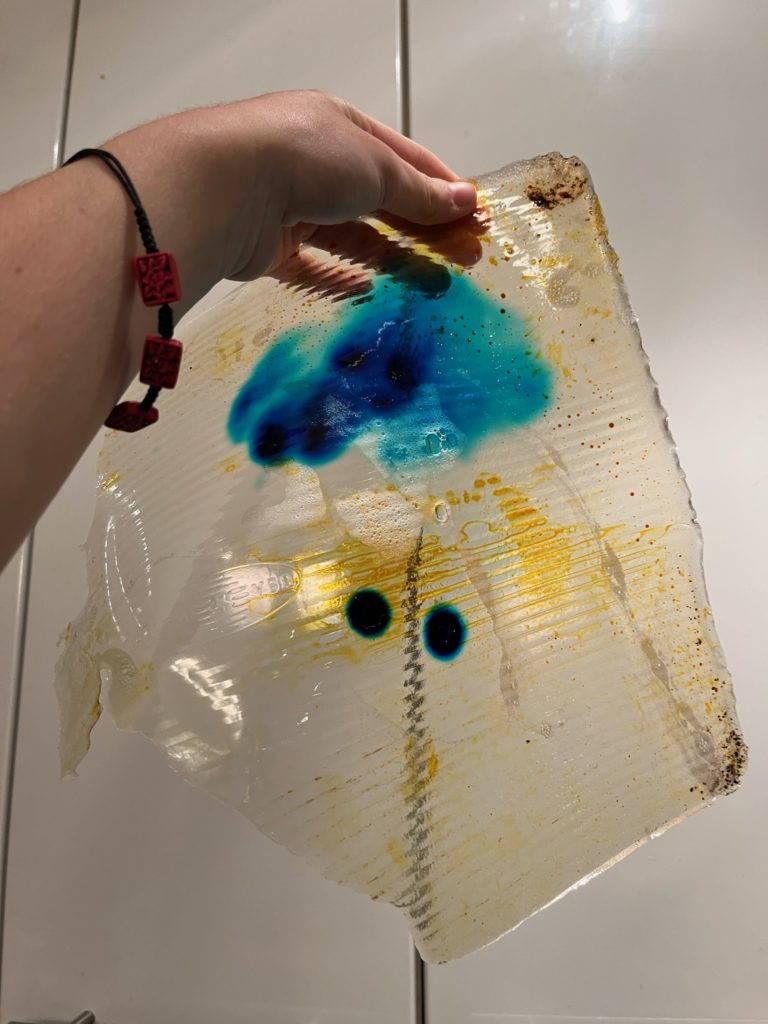
Recipe #2: gelatin, glycerin, and water (in this case I used agar agar–natural gelatin–as an ethical replacement)
It seemed like this recipe worked very well. The Bioplastic was flexible but not easy to break. I decided to go ahead and use this recipe given that other recipes online called for more complicated, inaccessible and out of budget ingredients.
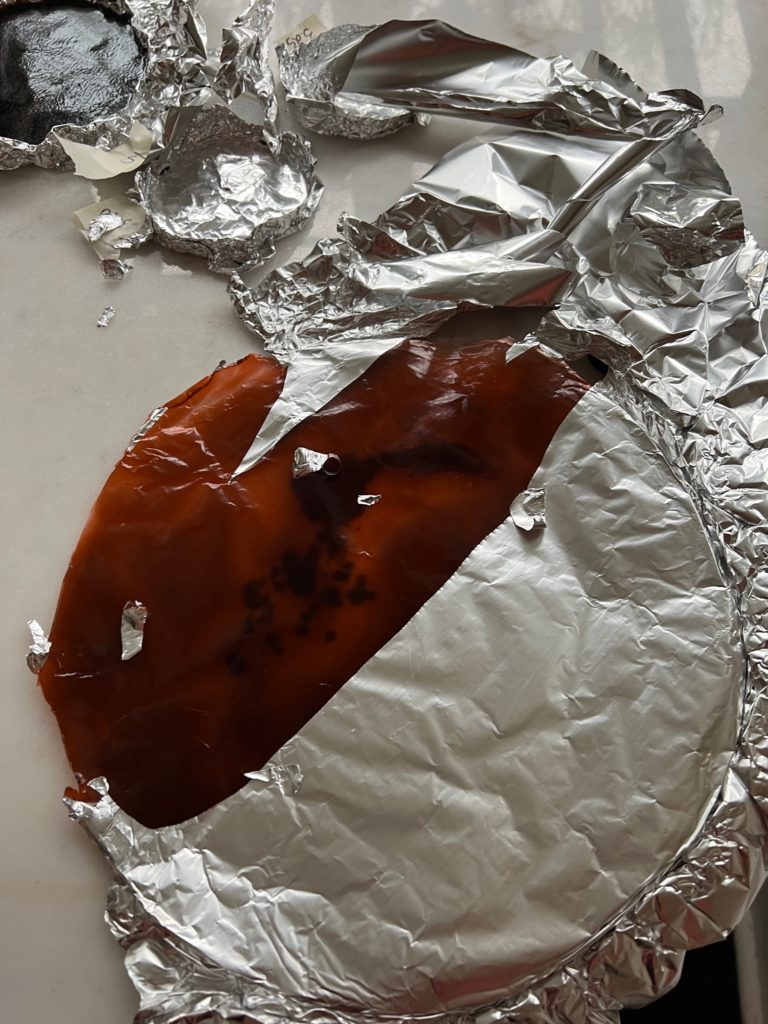
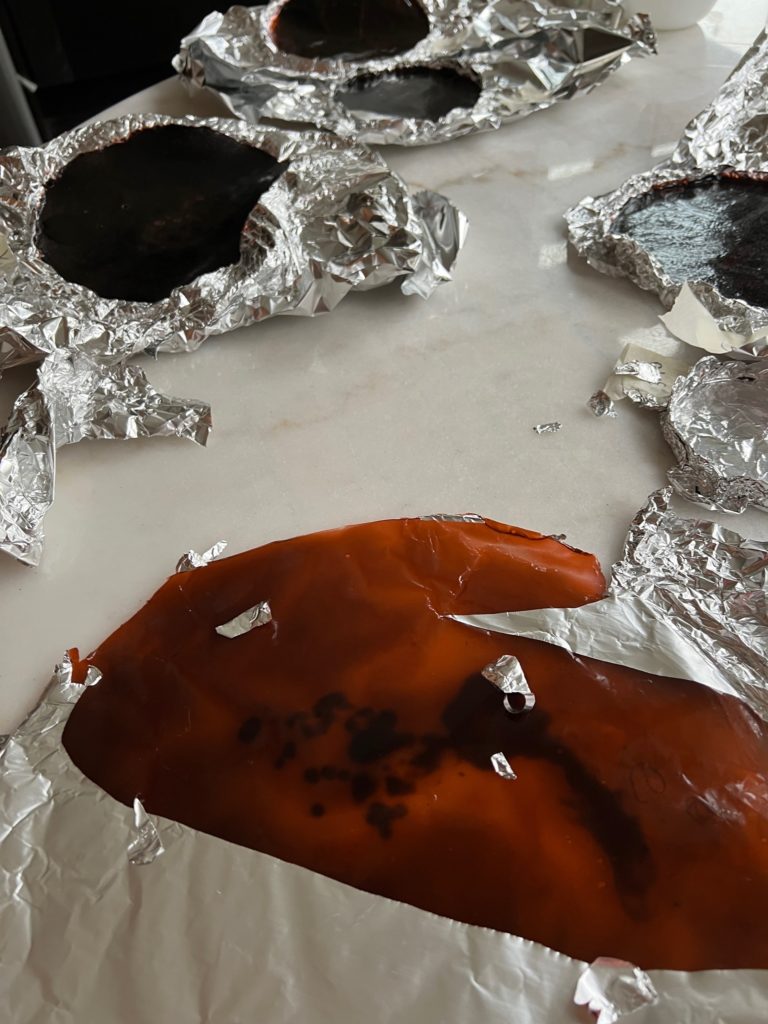
Recipe #2 Second Trial: This time I was testing out coloring for the plastics and molds for the circles. Initially I was considering doing a golden red for the coloring. I quickly realized that this color would be too muddy for the air-like piece I was going for.
I thought about how I could get the most out of the ingredients I had. This meant creating circular molds that were similar in size to the circles I created out of metal on the structure. These tin foil molds began to be very time consuming to make and I had a lot of circles to make.
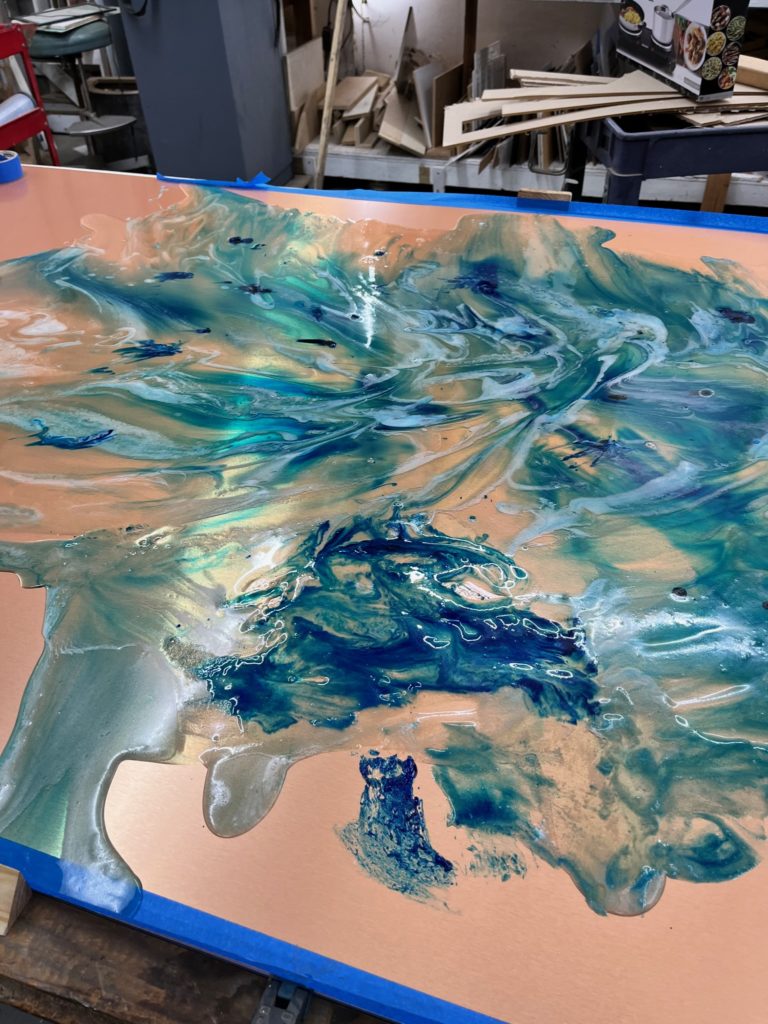
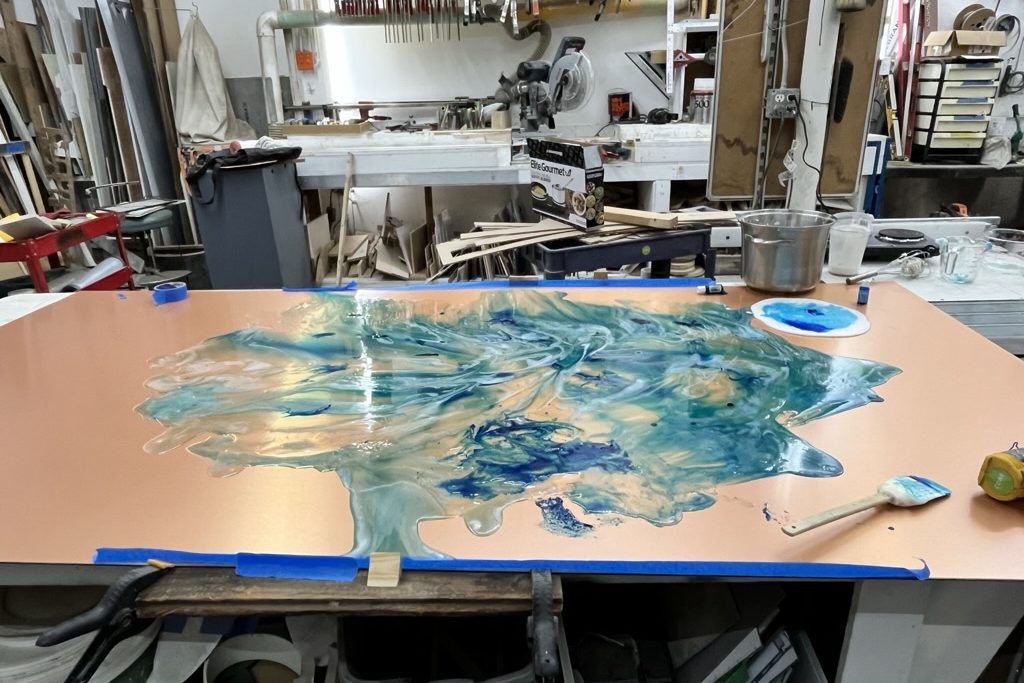
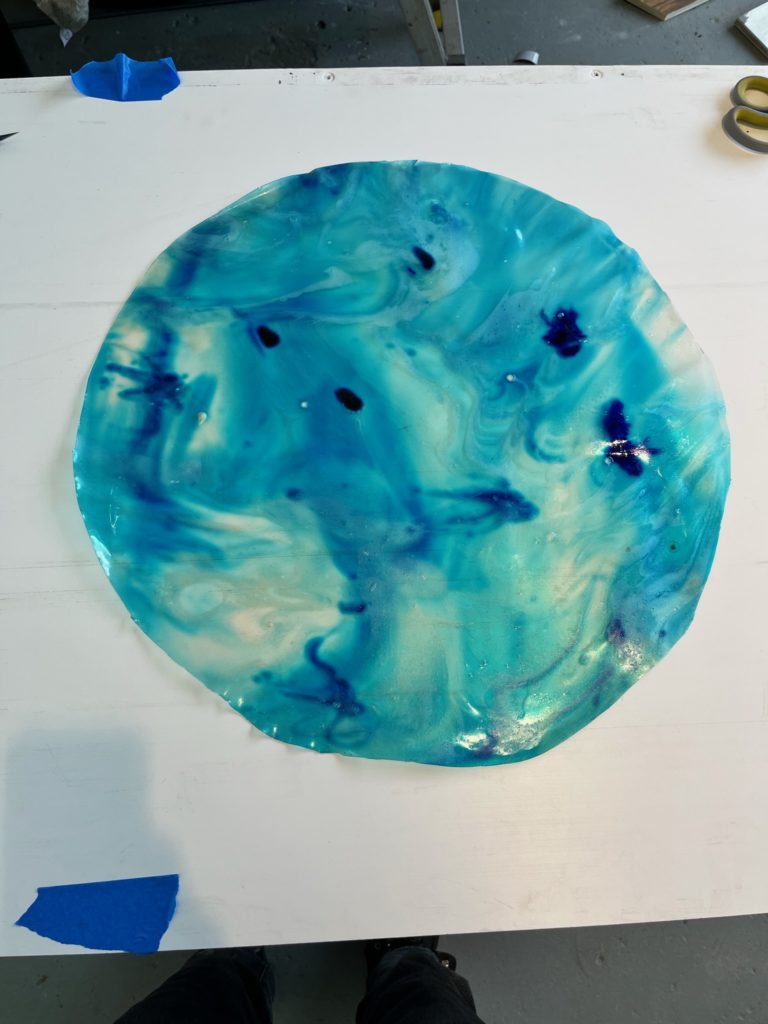
Recipe #2 Third Trial: After learning from the previous experiments, I was ready to make the final product. To save time I went with laying out giant sheets of dibond and poured in large batches. Then, I used a compass to cut out circles that had a 2 inch larger radius than the circles on the structure.
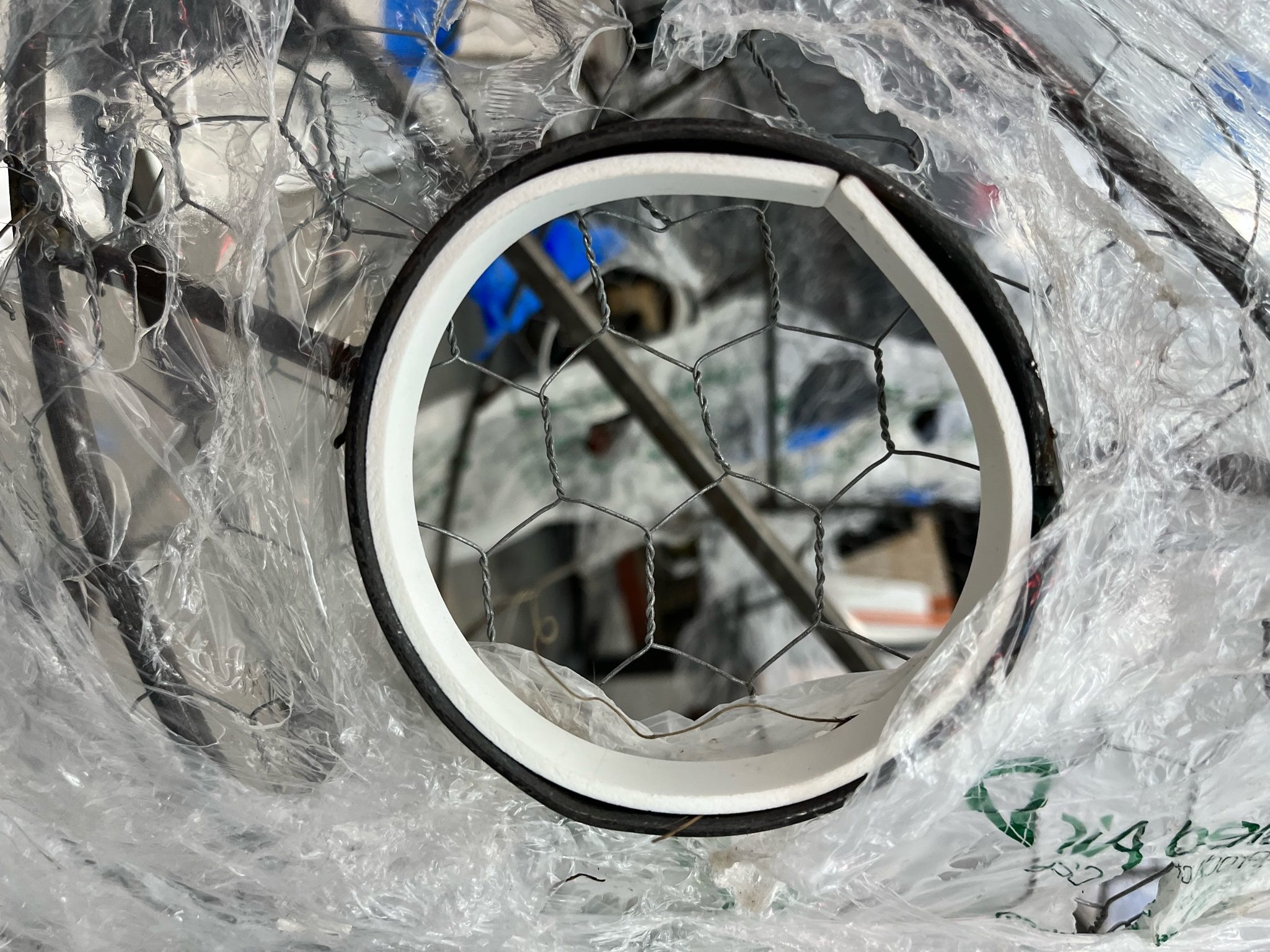
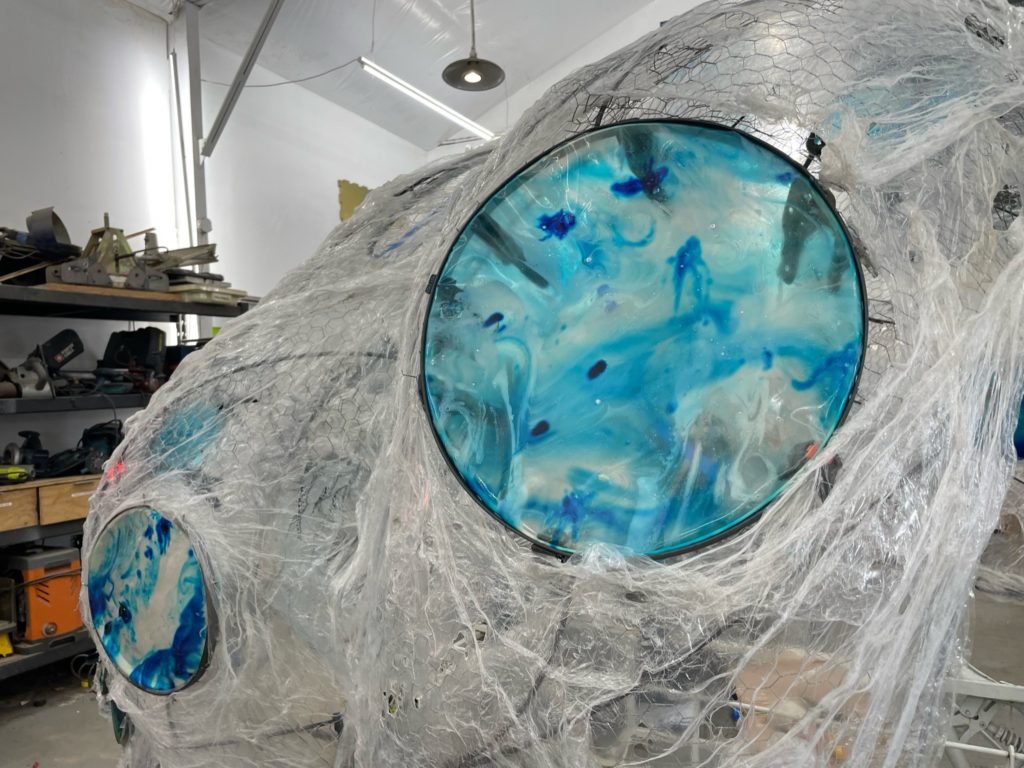
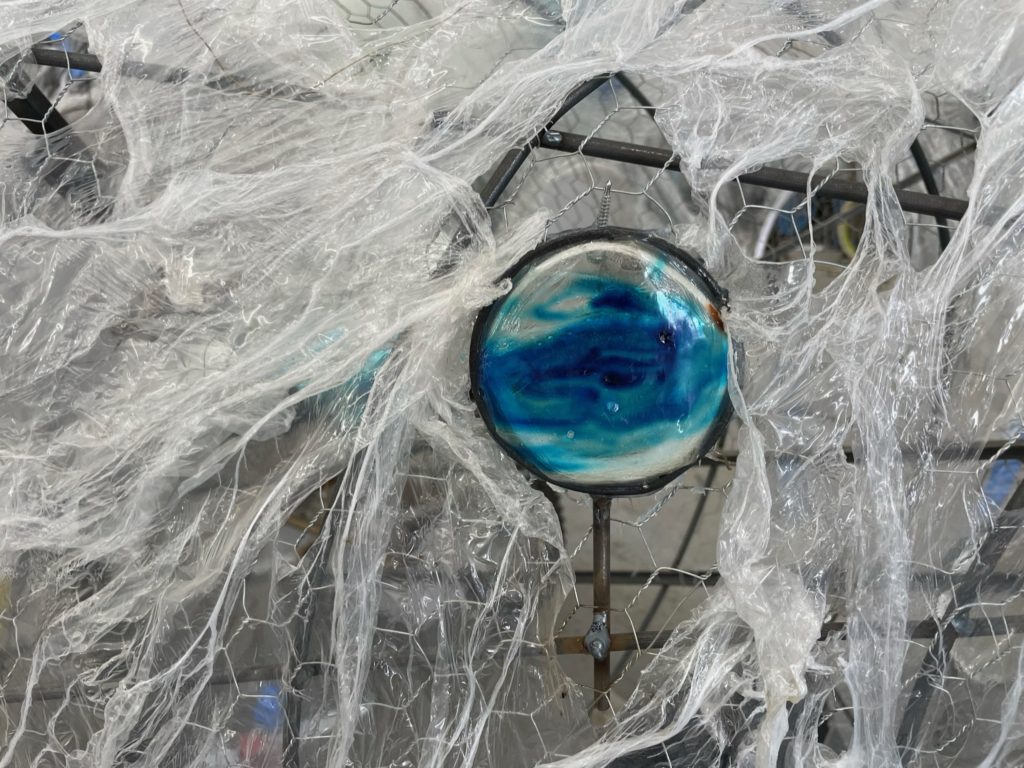
To install the bioplastic, I cut flexible board to shape inside the metal circles. I then fit the bioplastic in to the metal frames much like an embroidery frame. This technic worked very well for large circles but the flexible material had a harder time on smaller time for smaller circles.
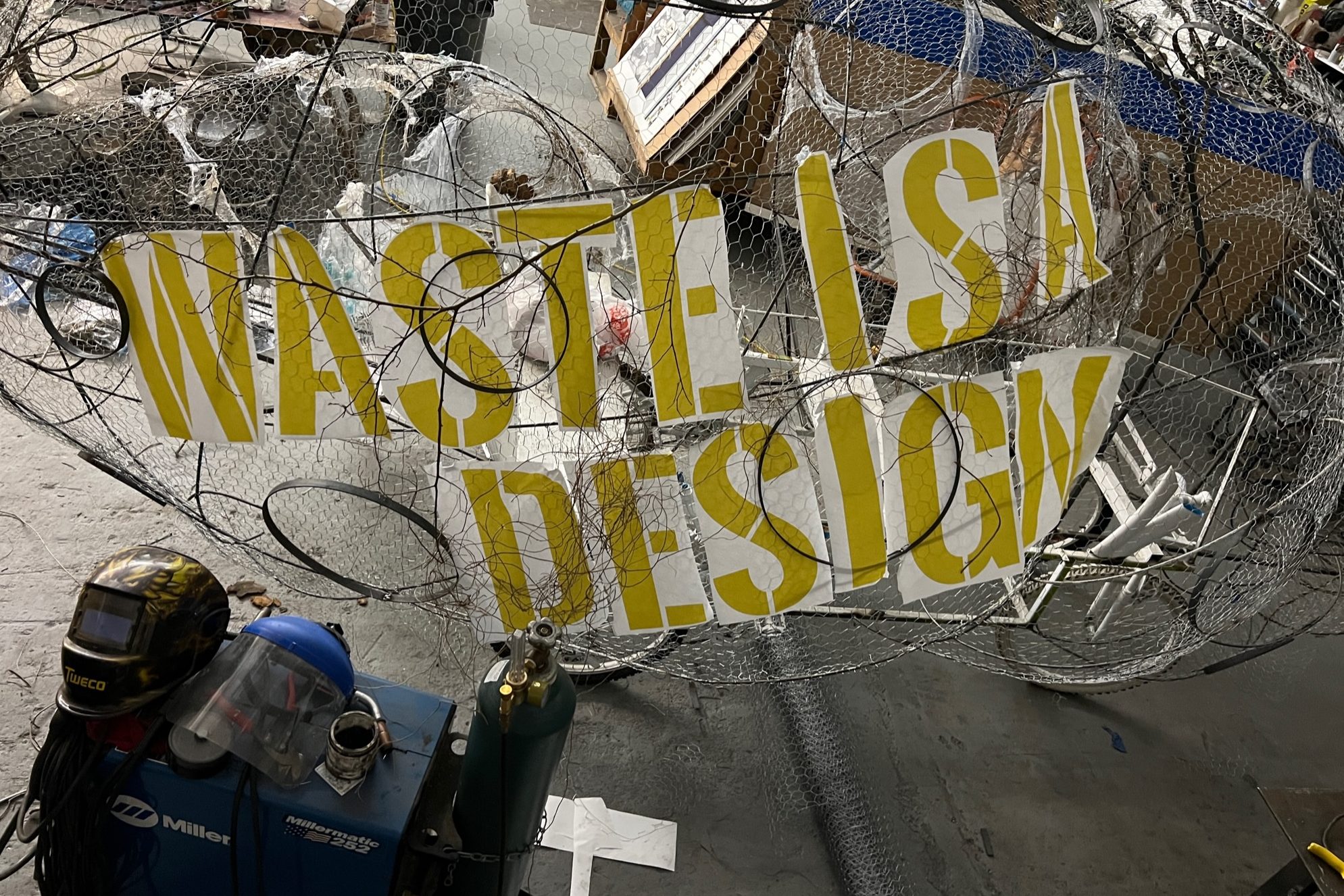
TYPOGRAPHY + MESSAGE
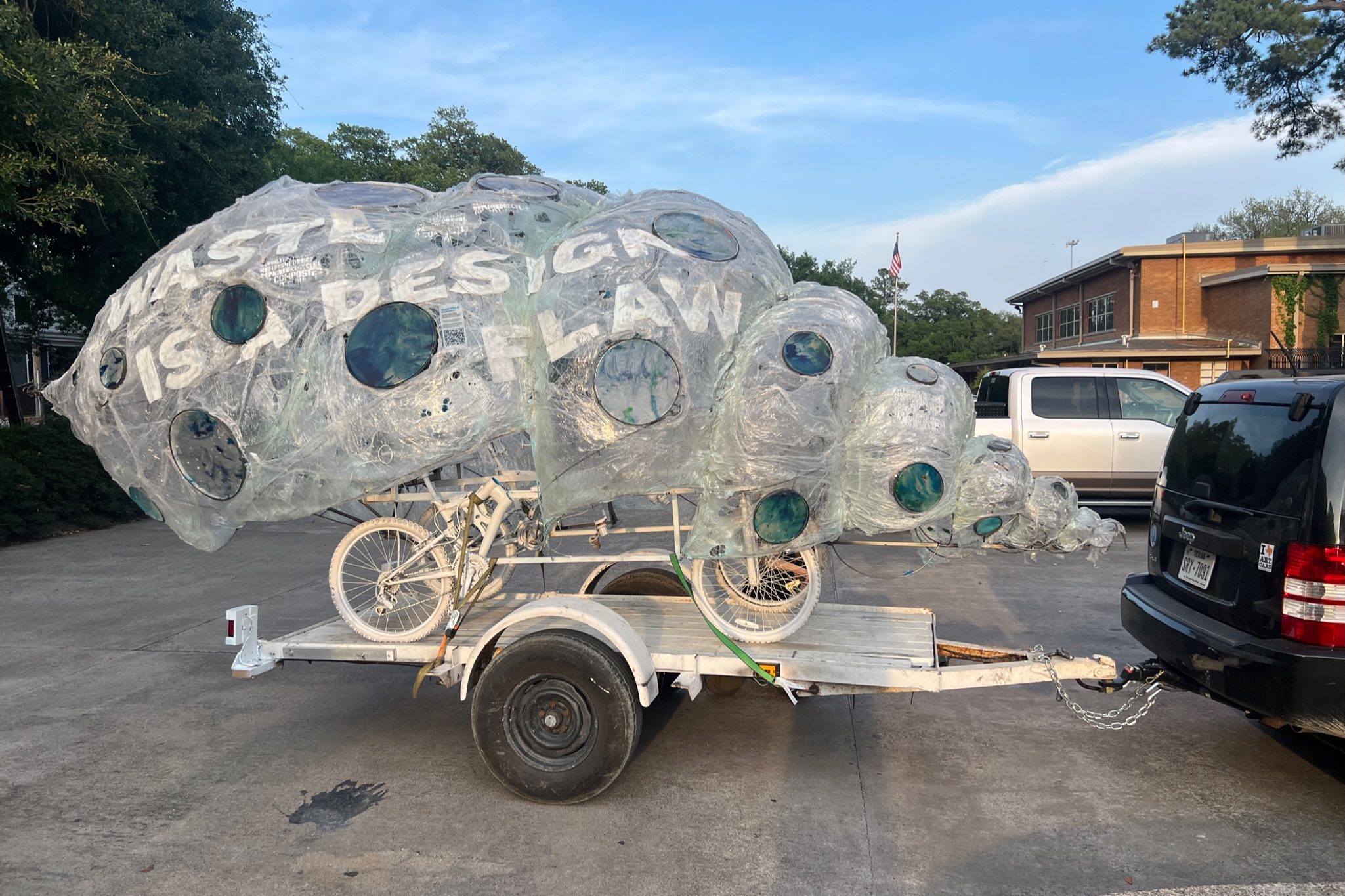

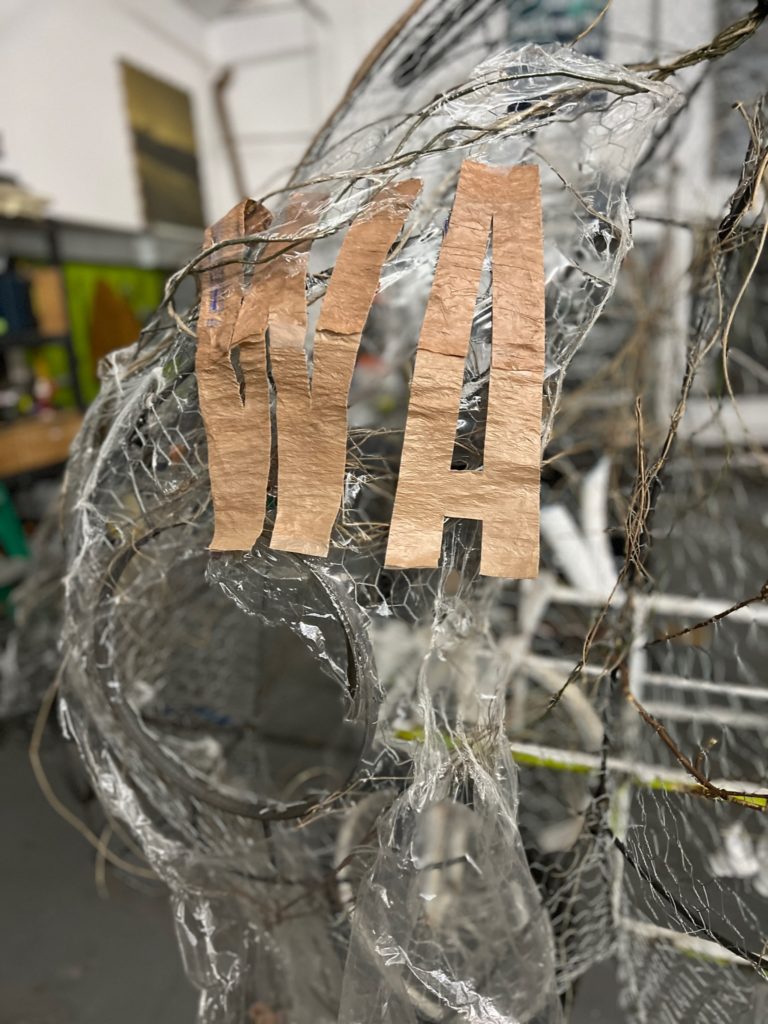
LED NIGHT LIGHTS
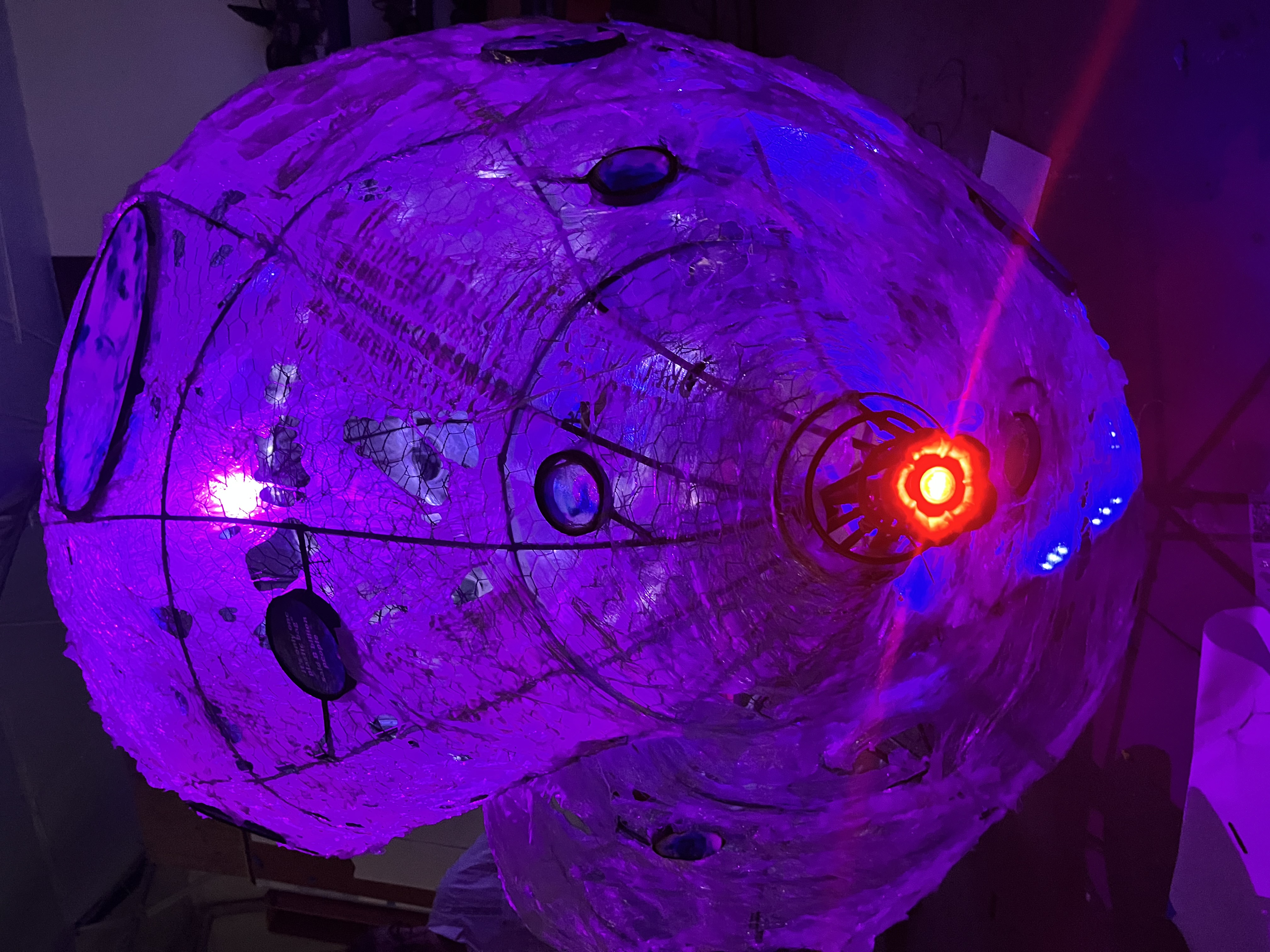
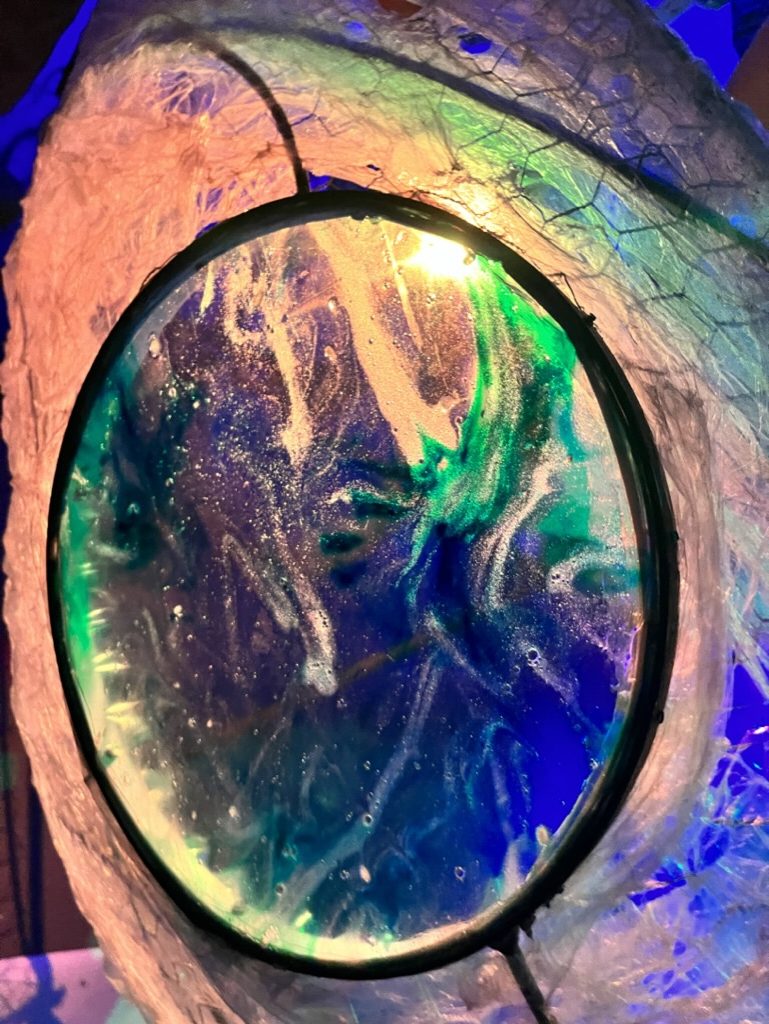
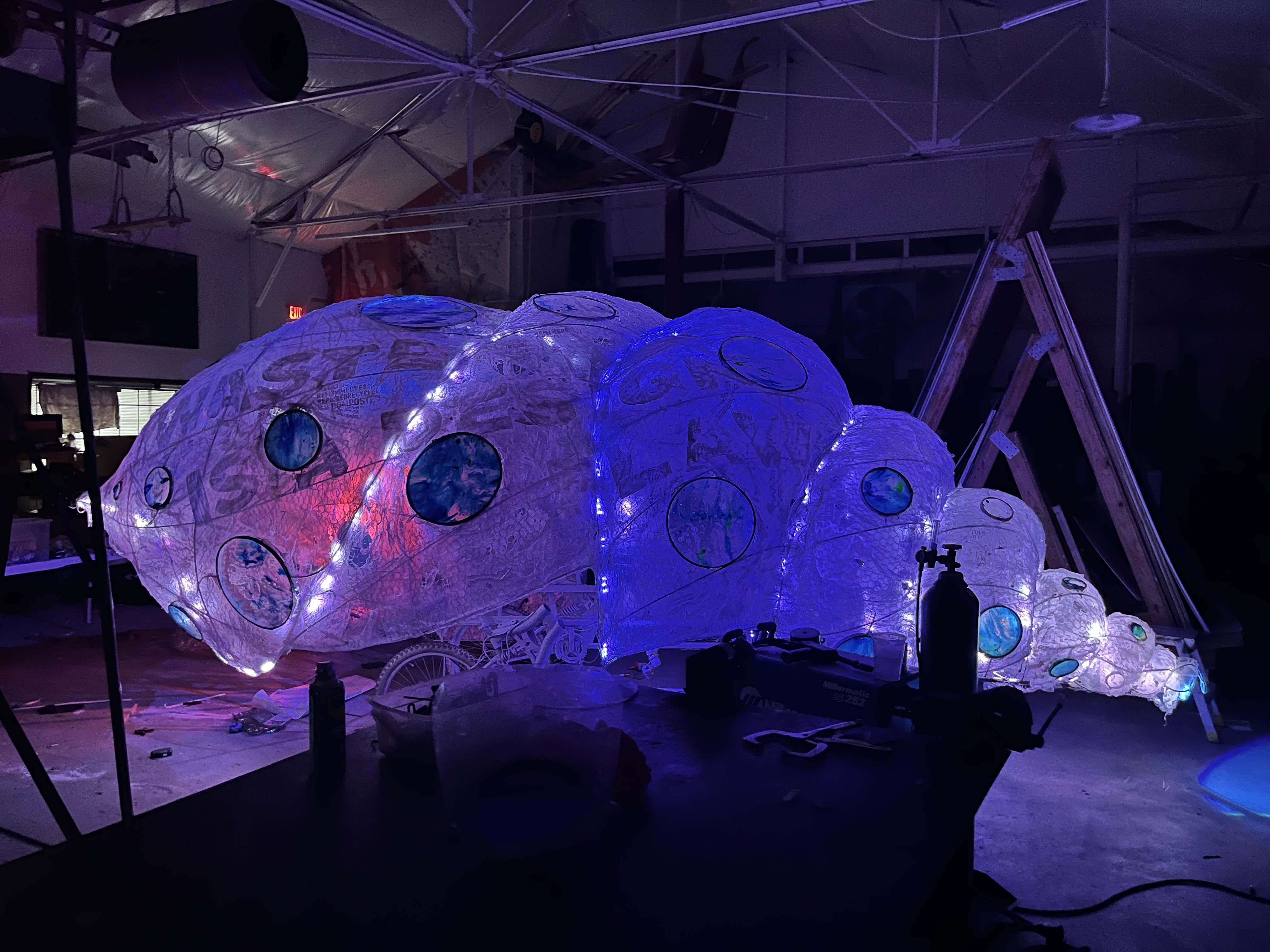
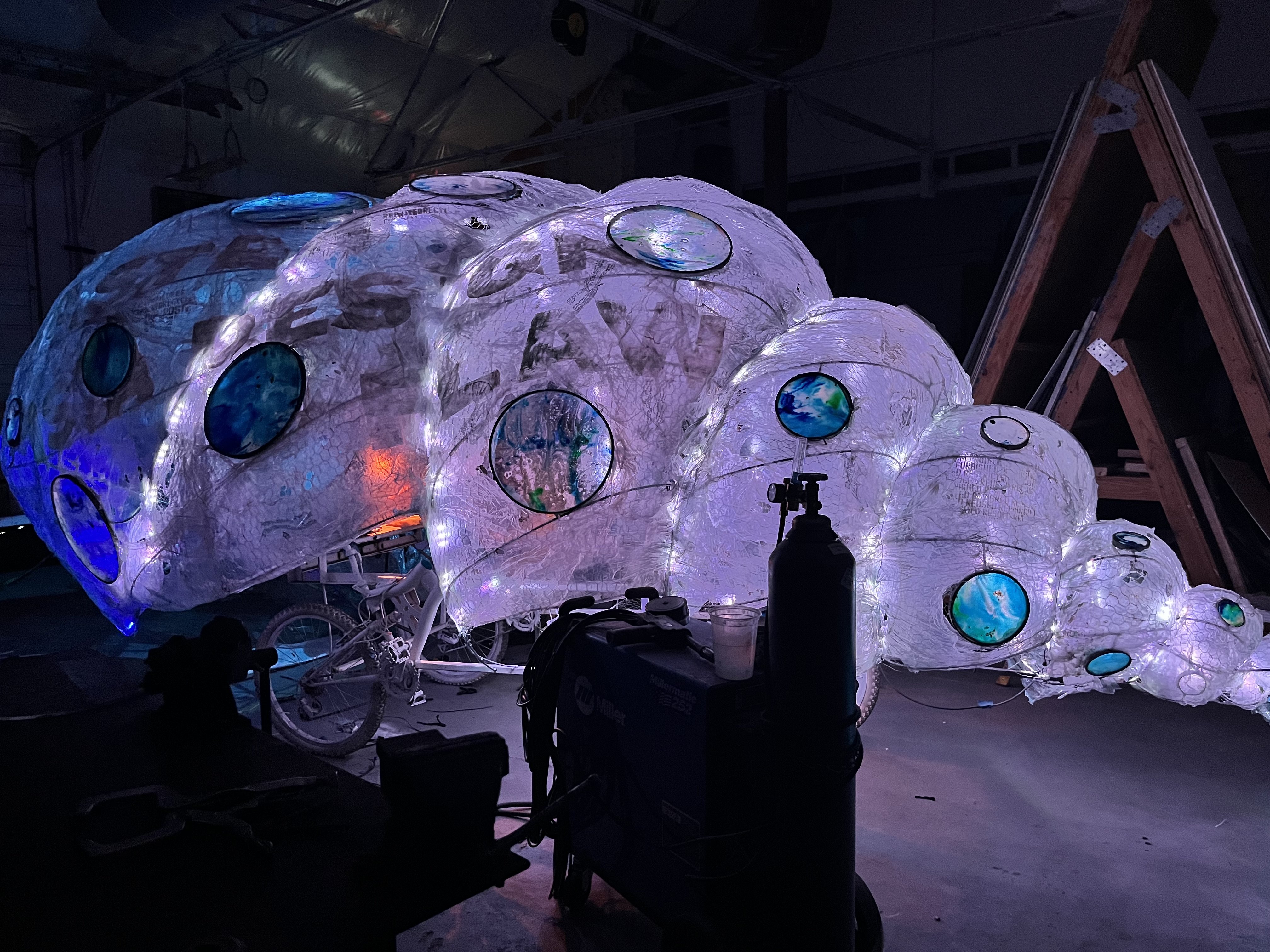
Video from Houston Art Car Parade Night Ride: To make the piece presentable at night, I added fun programmed LED strips and spotlights ran by two 12V batteries inside the quadricycle.
DISPLAYING RESEARCH + BROCHURE
Most of the time I was directly engaging with people about my research. I figured I needed a more in depth portion of information that people could read and take home. This led me to make two pamphlets containing research details, how to get in touch, and ways to take action. Additionally, I created an online survey that collects responses for my school research project on the level of impact the piece had on individuals (how much people learned) and the ways in which aspects of the art piece spoke to the audience.
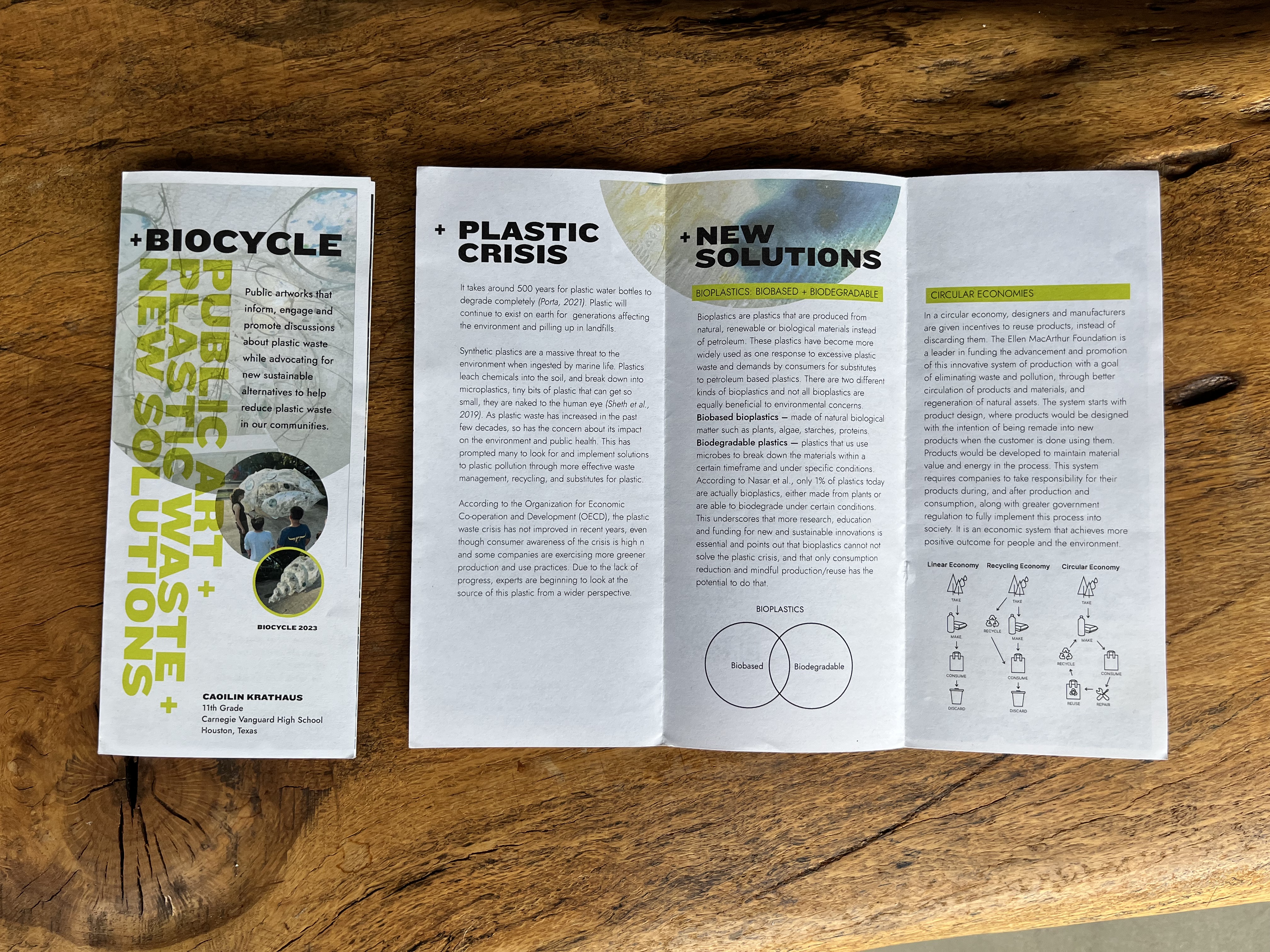
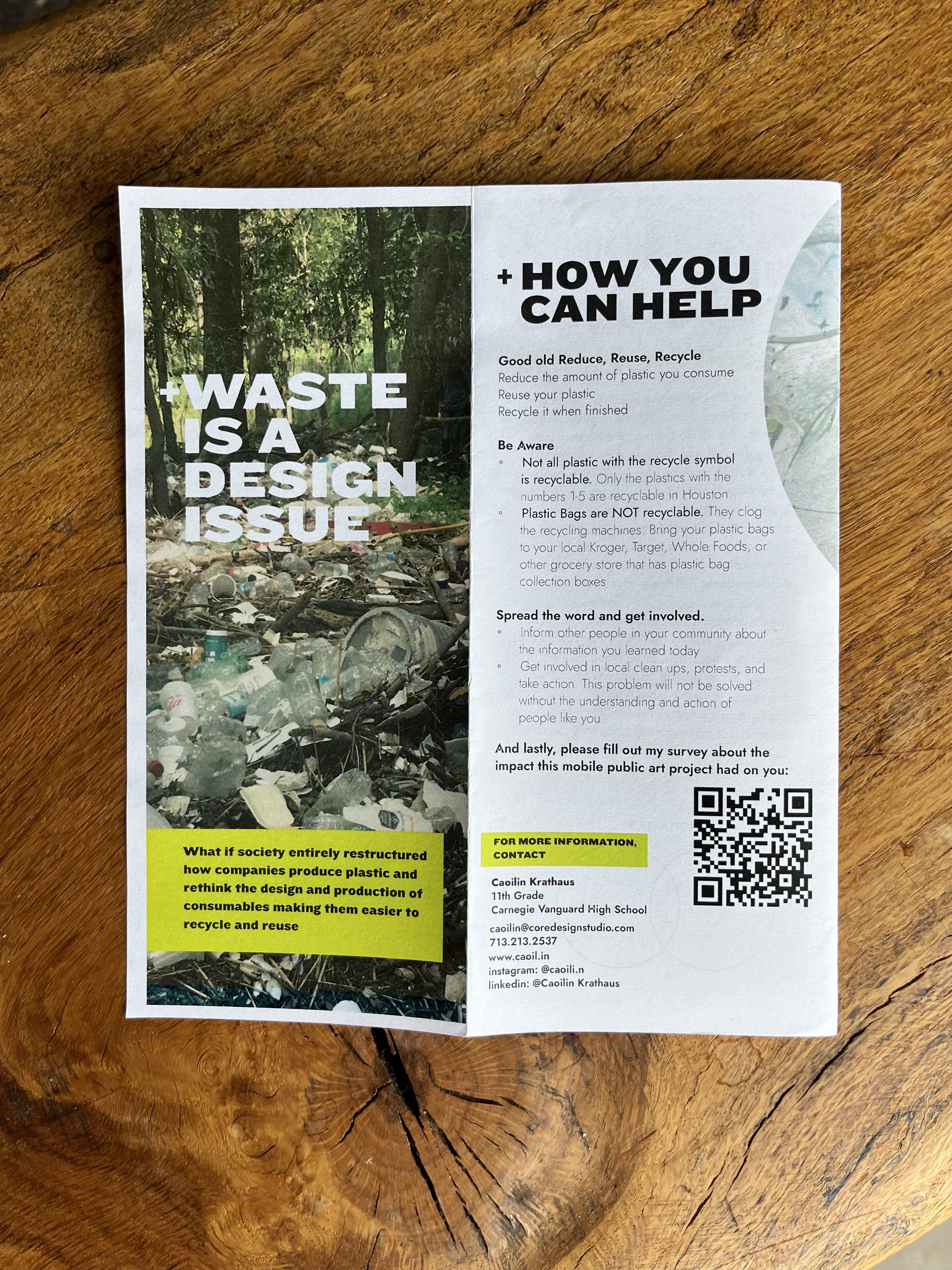
Trifold brochure: gives a brief synopsis of my research along with a QR code to my online survey and a call to action
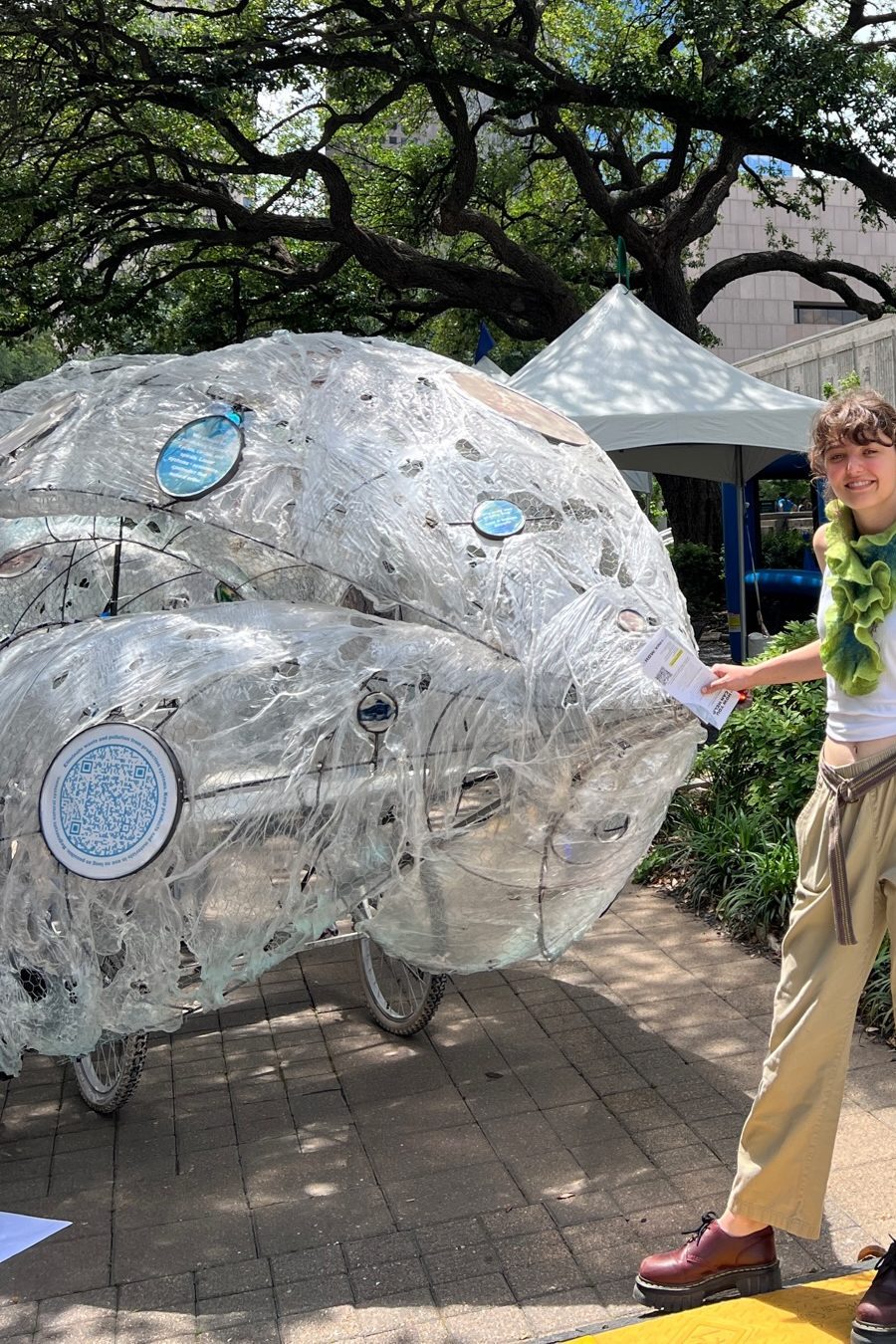
QR code on side of Biocycle: leads to an online flyer with the same information as the trifold brochure along with a clickable link to the survey
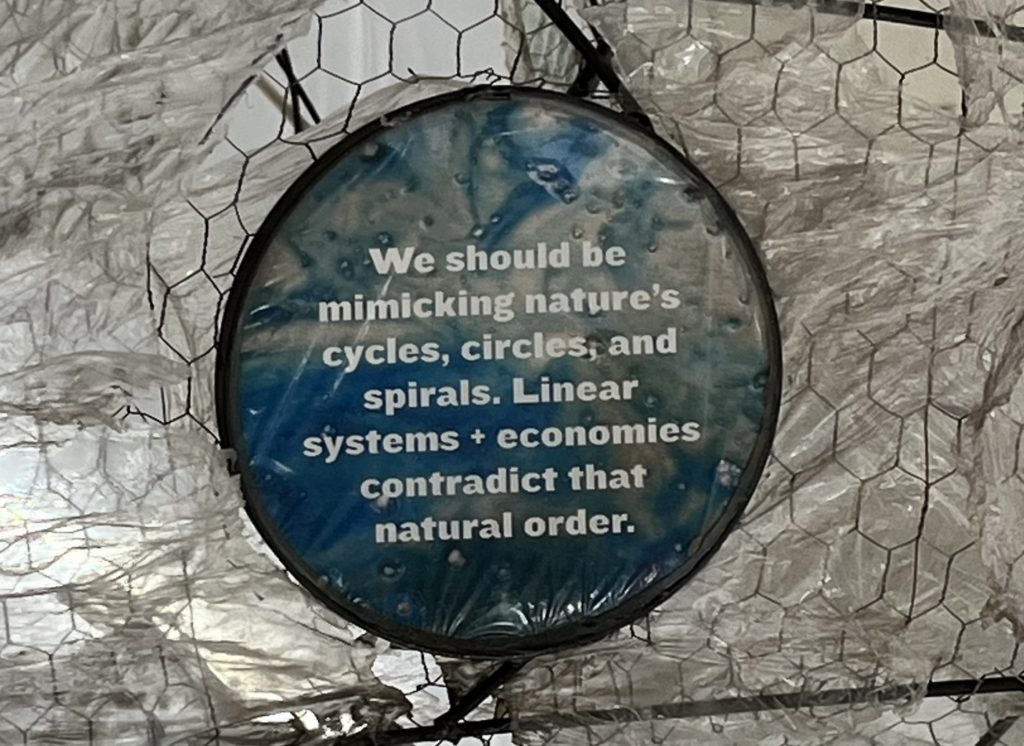
Mini Pamphlet: contains a QR code that leads to an online flyer with the same information as the trifold brochure along with a clickable link to the survey
3. EVENTS + OUTREACH
INITIAL SELF-HOSTED NEIGHBORHOOD EVENT
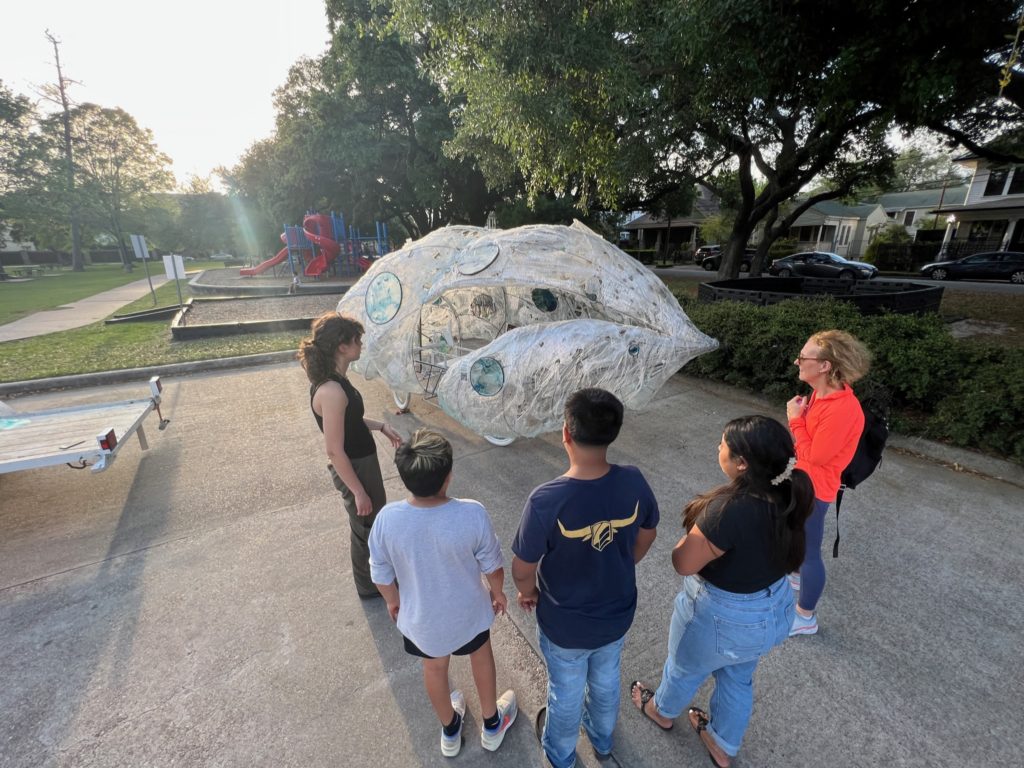
The main goal of this piece was to reach as many people as possible. I visited a couple events with the Biocycle and hosted one of my own.
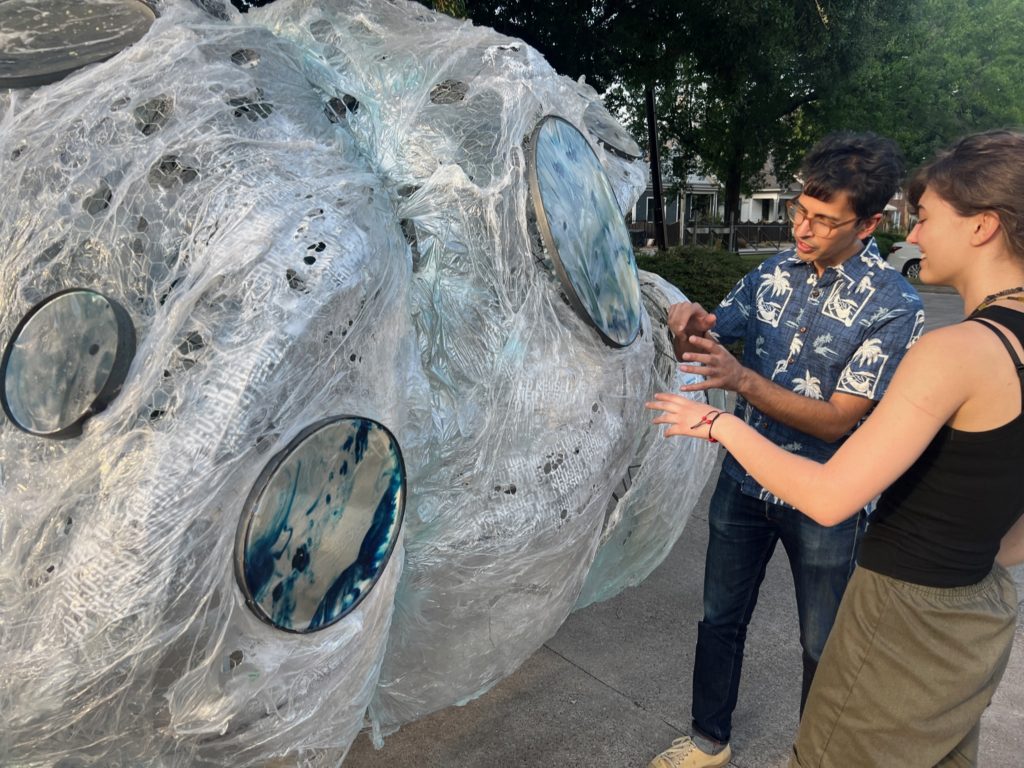
Self-hosted neighborhood park event for feedback and data collection from the community (before finalizing the piece)
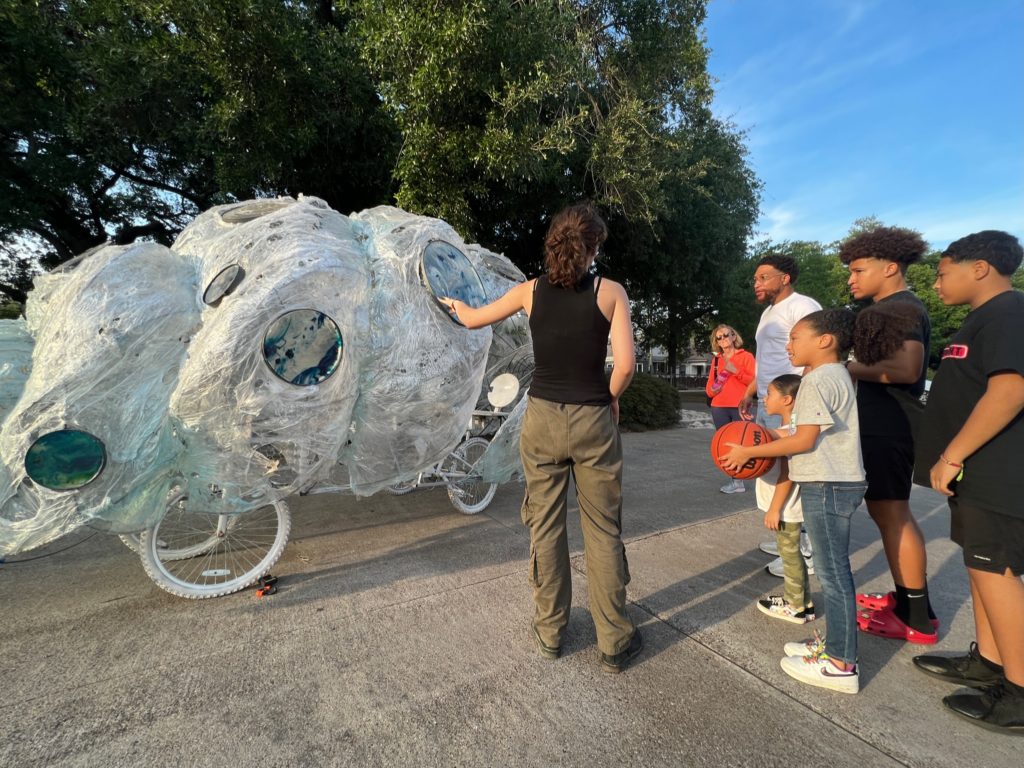
HOUSTON ART CAR PARADE 2023
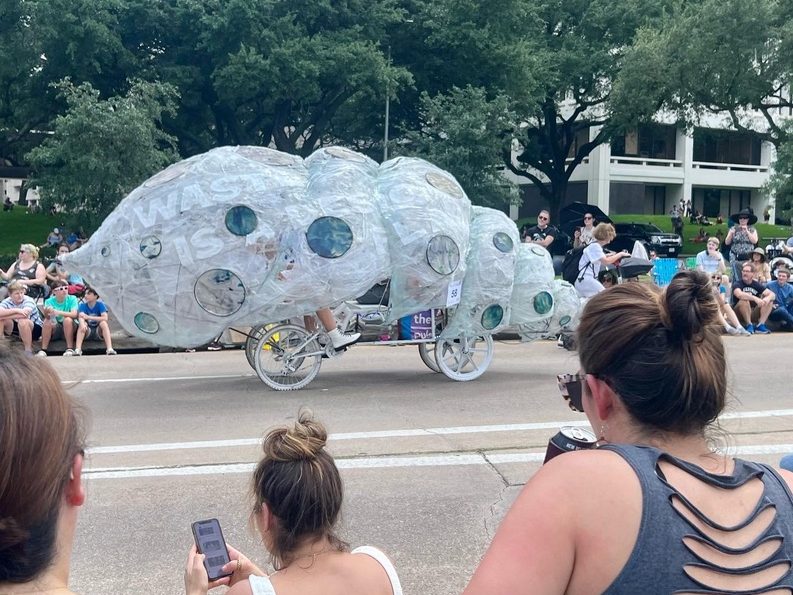
I entered the quadricycle into the annual Houston Art Car Parade to bring it to a city wide audience. During the display period before the parade I got talk to many Houstonians about my research. Spending time with other Art Car artists throughout the Art Car Parade weekend is always an amazing experience. Meeting super talented artists from across the nation every year has given me an amazing community to look up to and be inspired by.
After the parade I received 1st Place for the bicycle category of the parade!
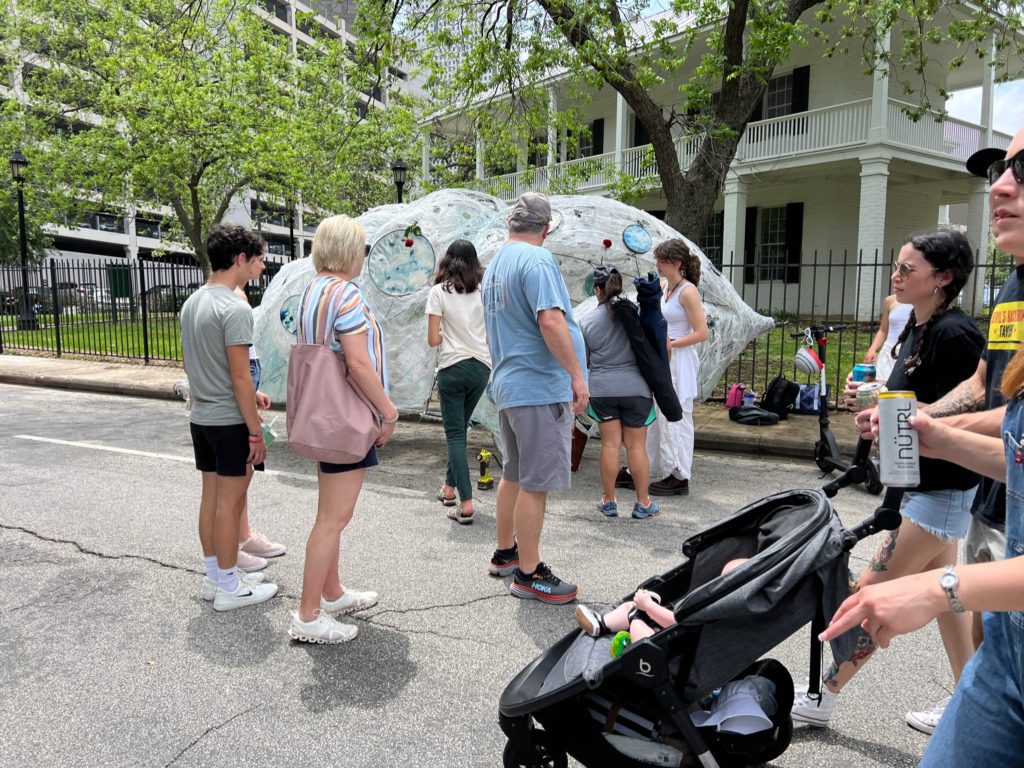
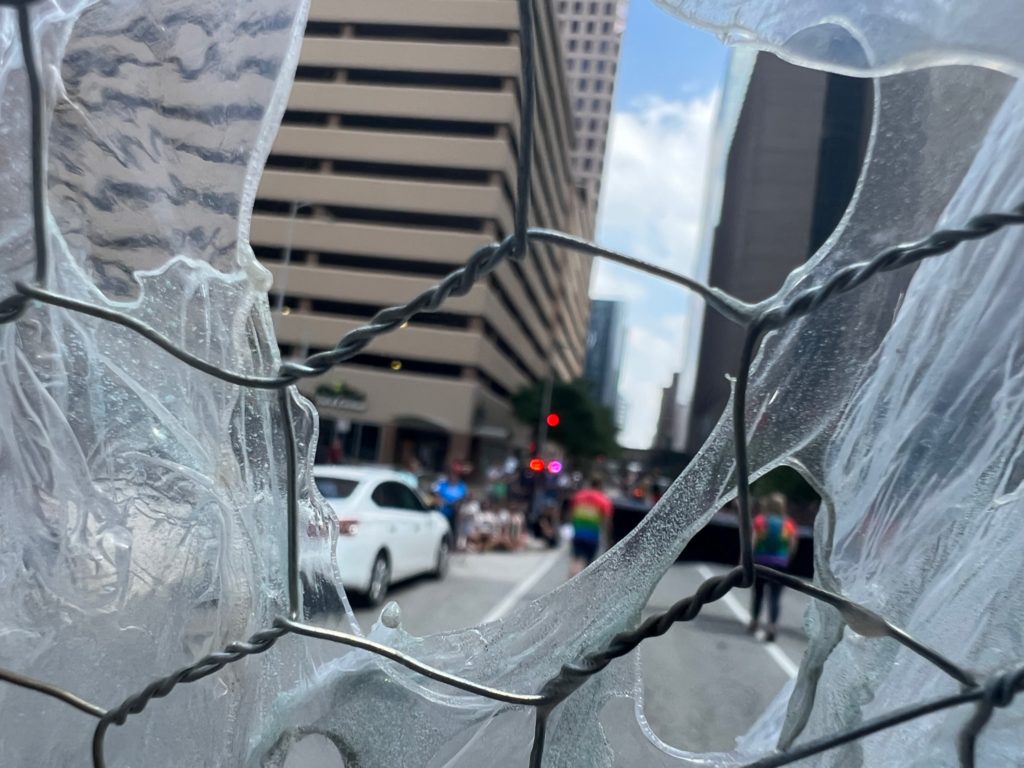
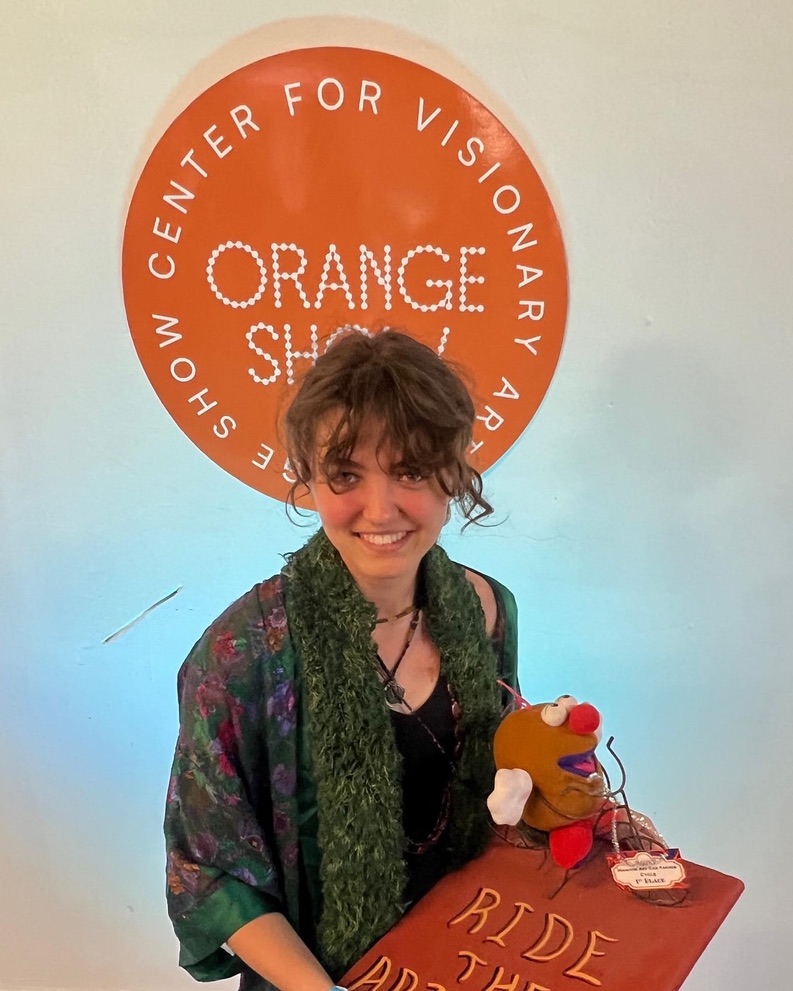
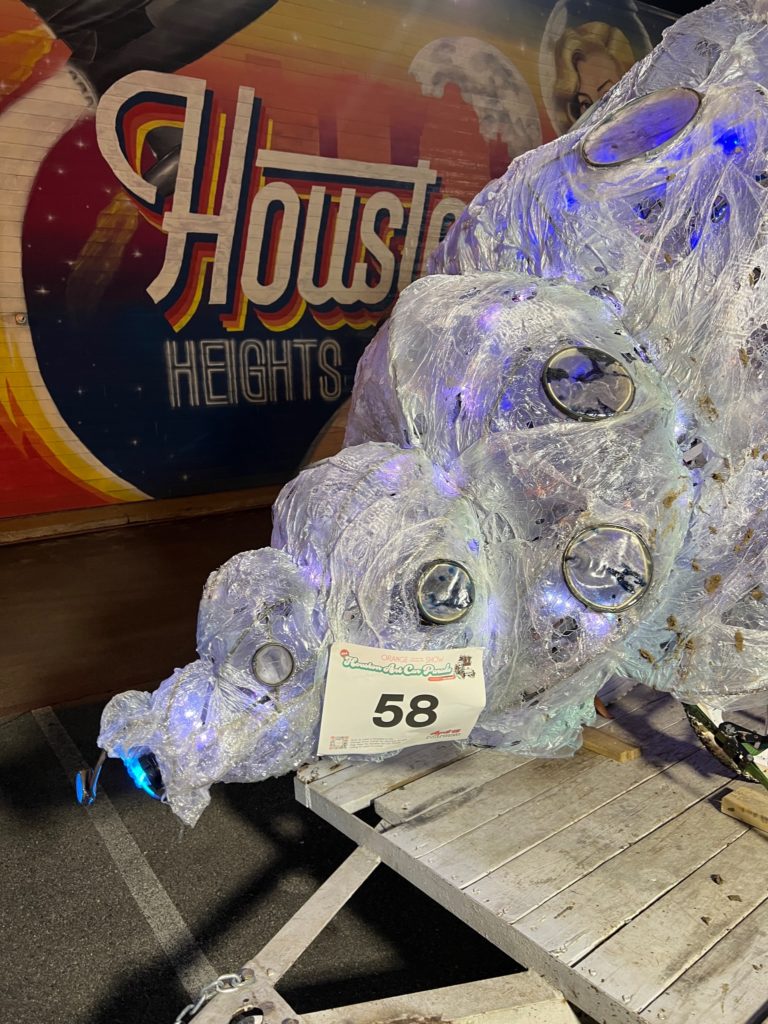
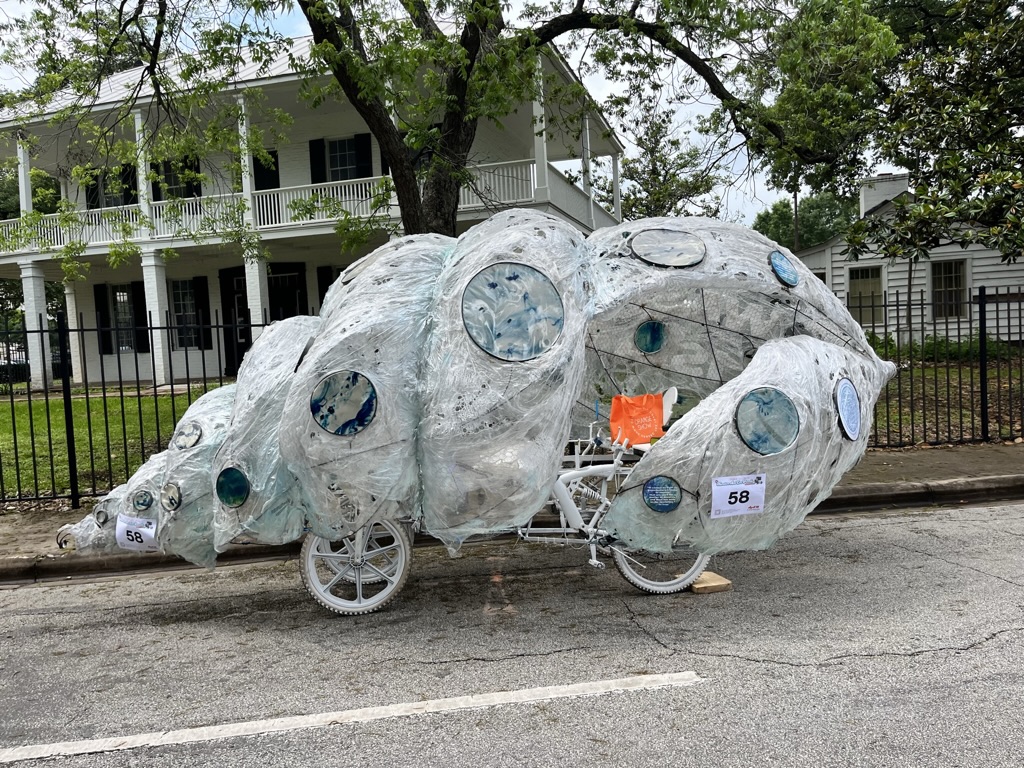
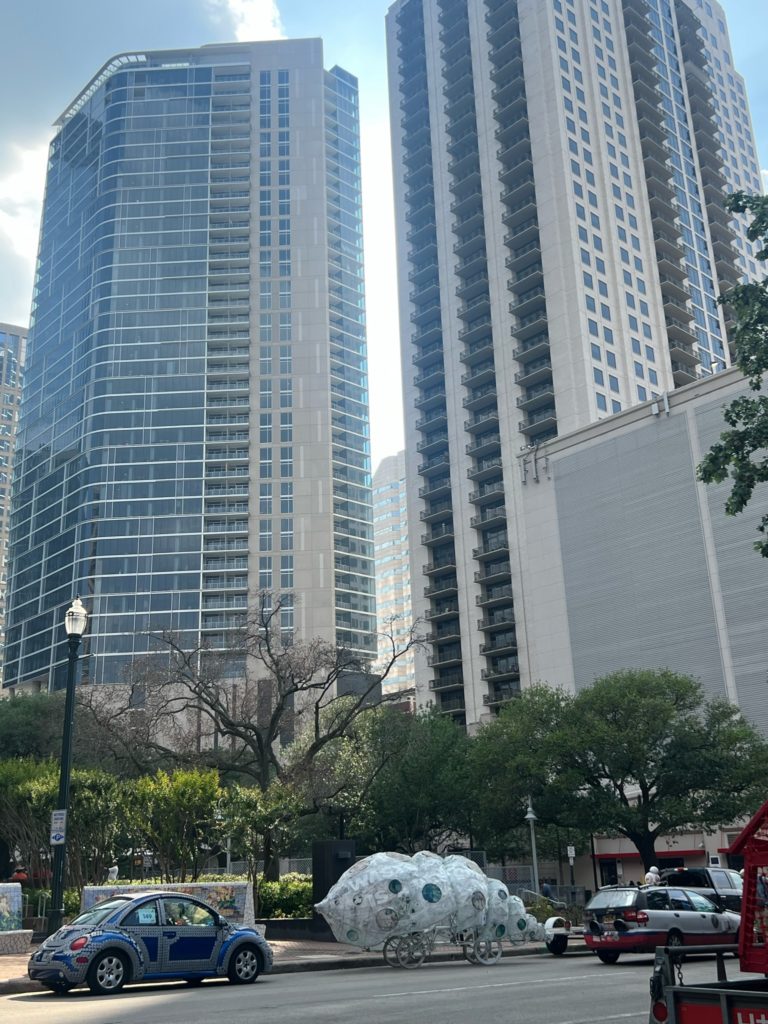
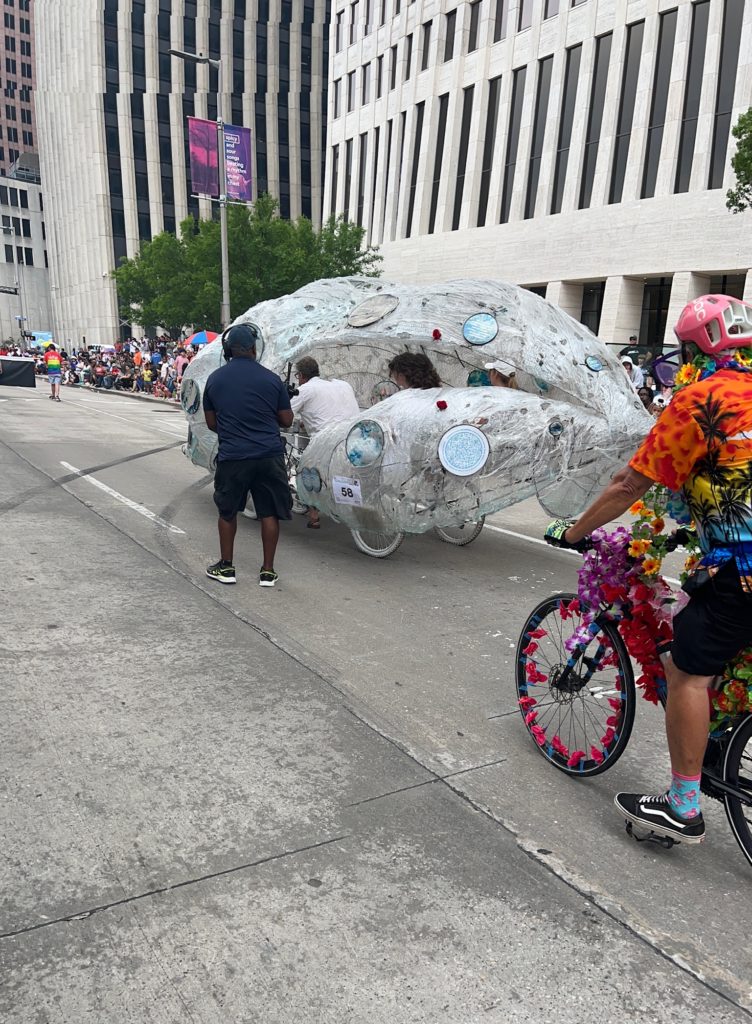
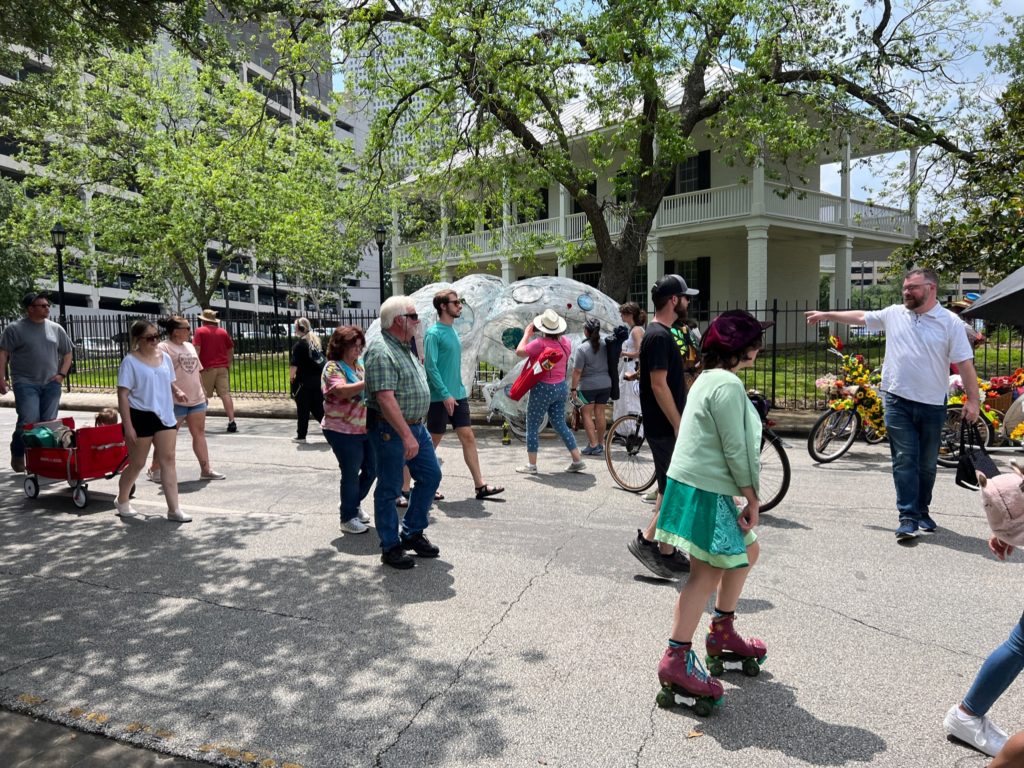
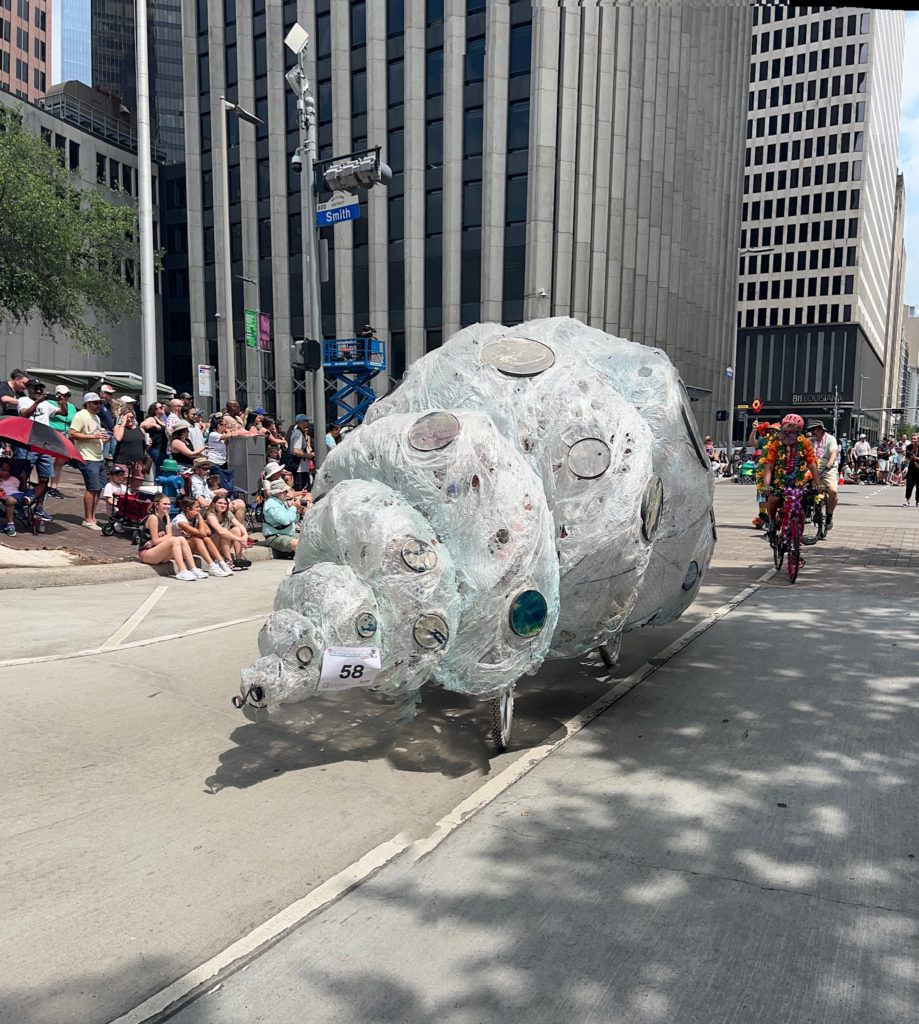
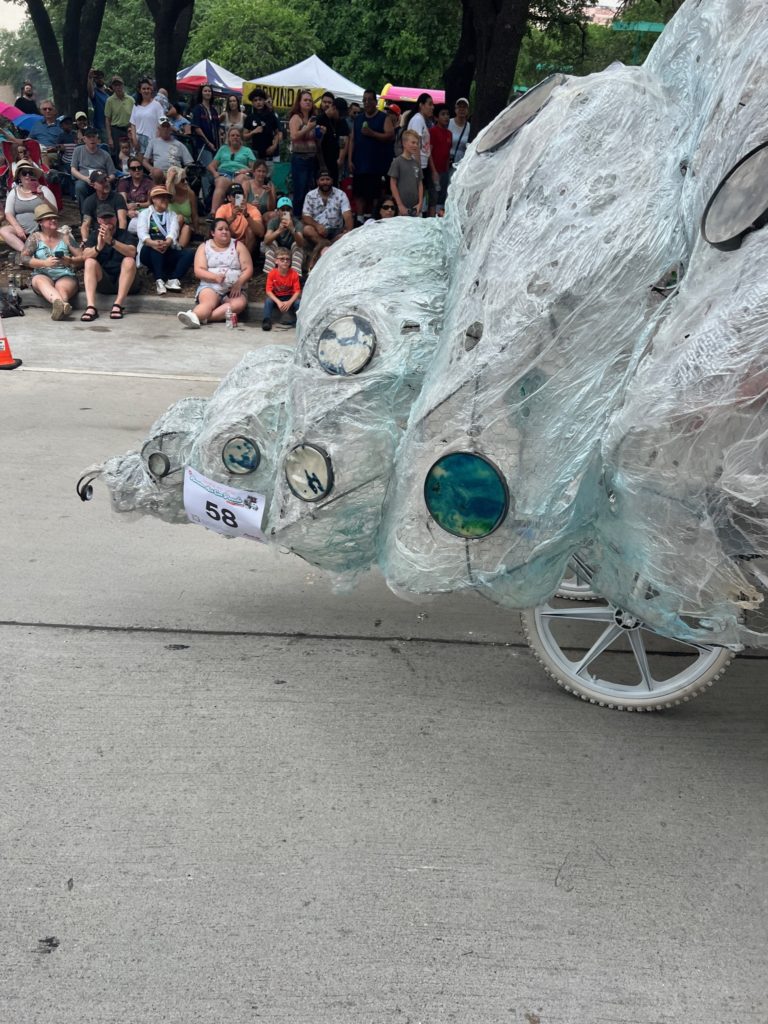
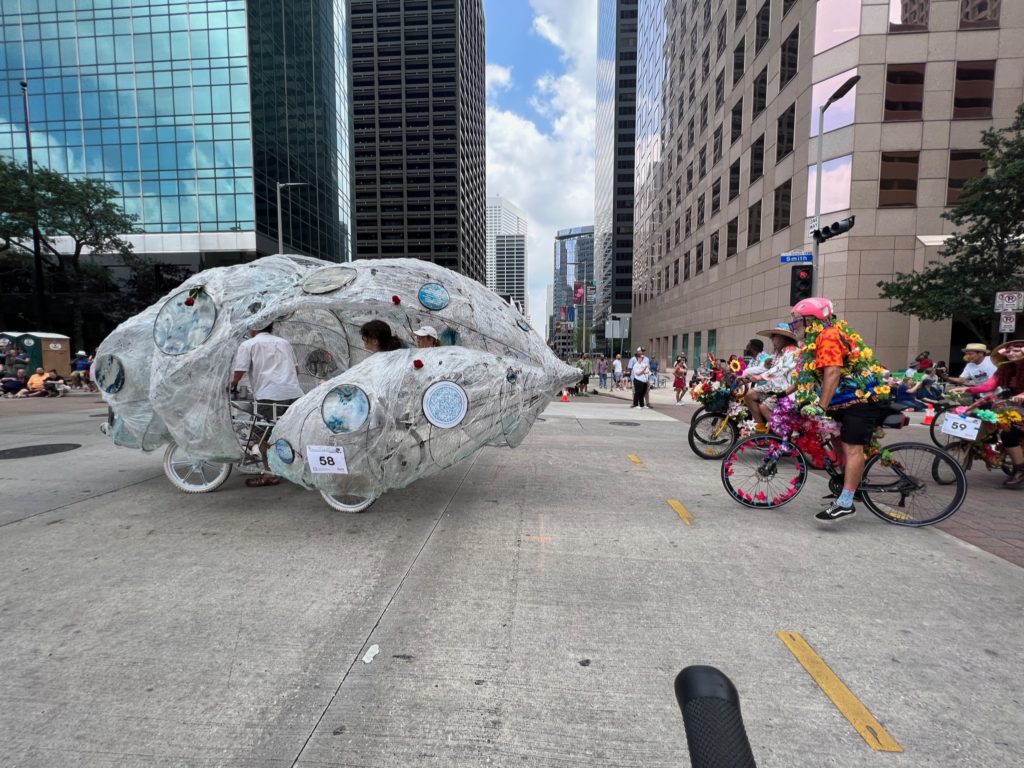
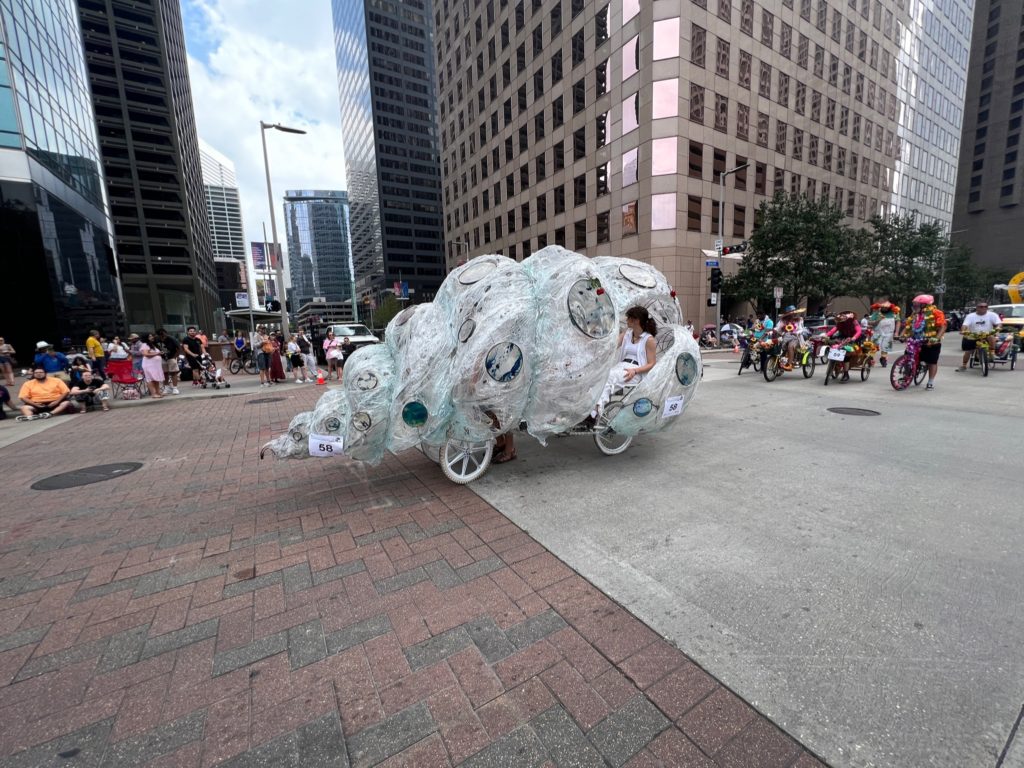
Houston Art Car Parade 2023
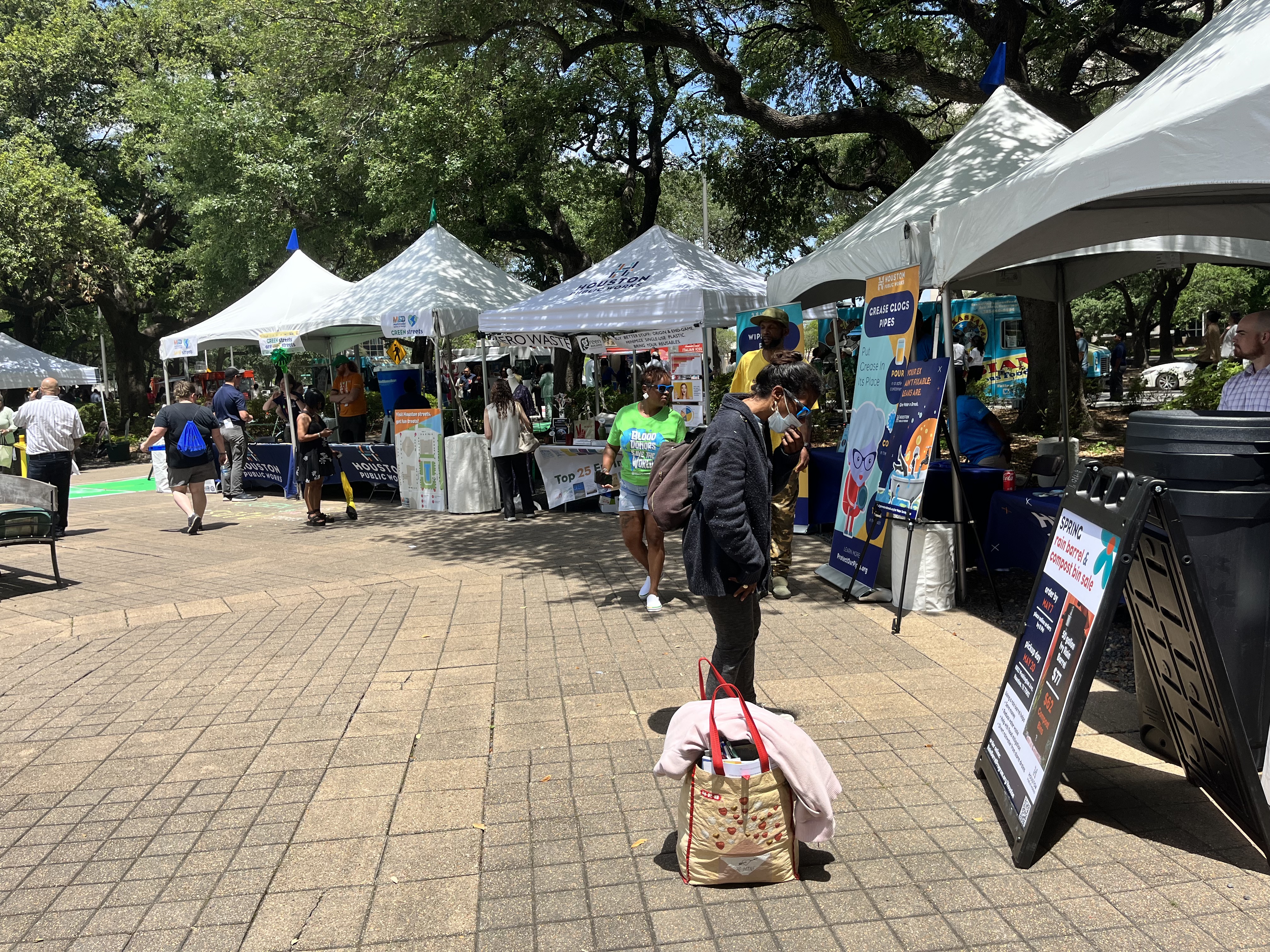
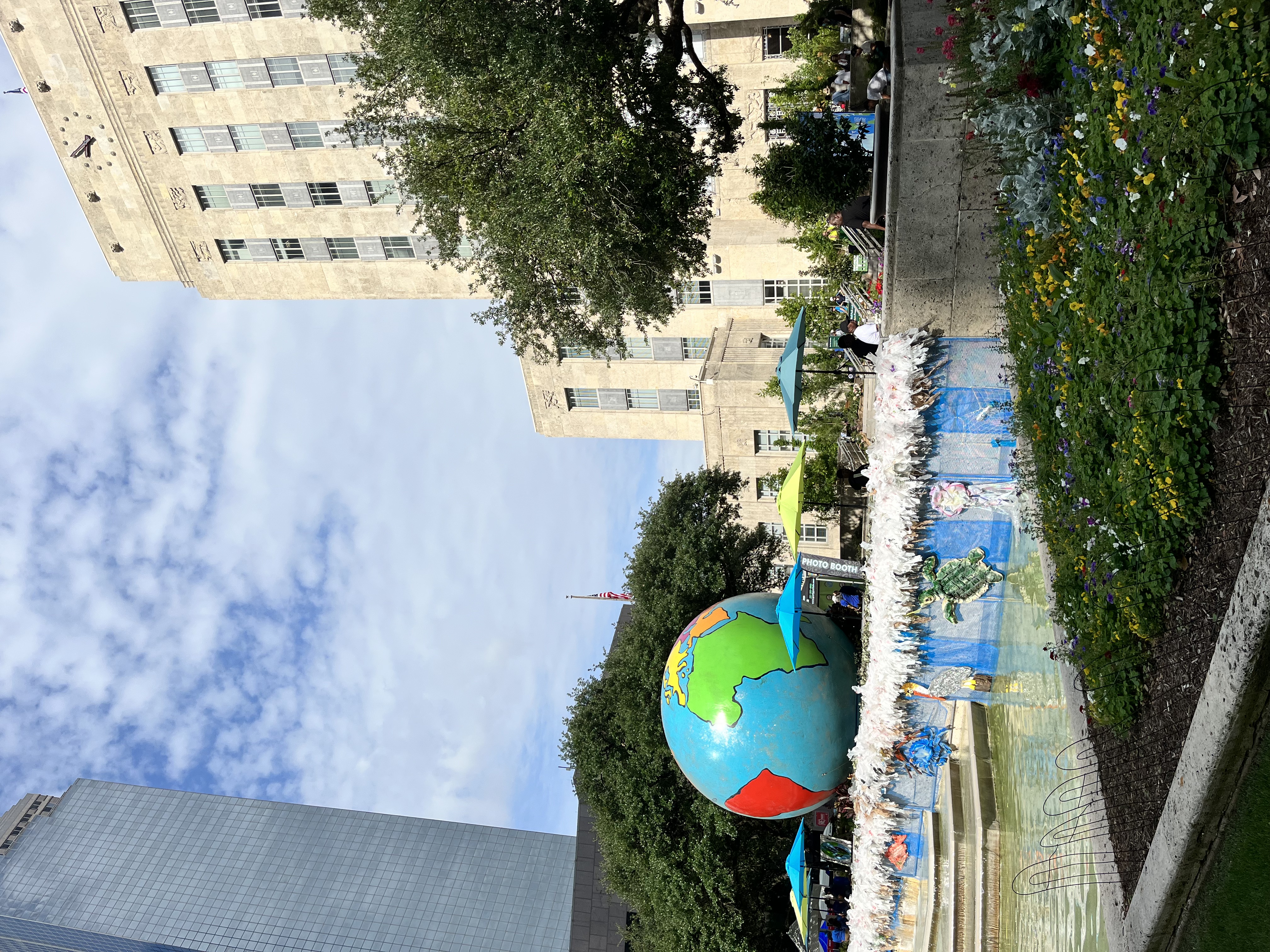
EARTH DAY HOUSTON AT CITY HALL
Through my friends at the Environmental Defense Fund, I was invited by the Mayor’s Office to participate in Houston’s Earth Day event. This event was to display the sustainable practices the City of Houston was engaging in and I was so grateful to be a part of it! I met a lot of lovely people and learned a lot about what Houston was doing to save our planet!
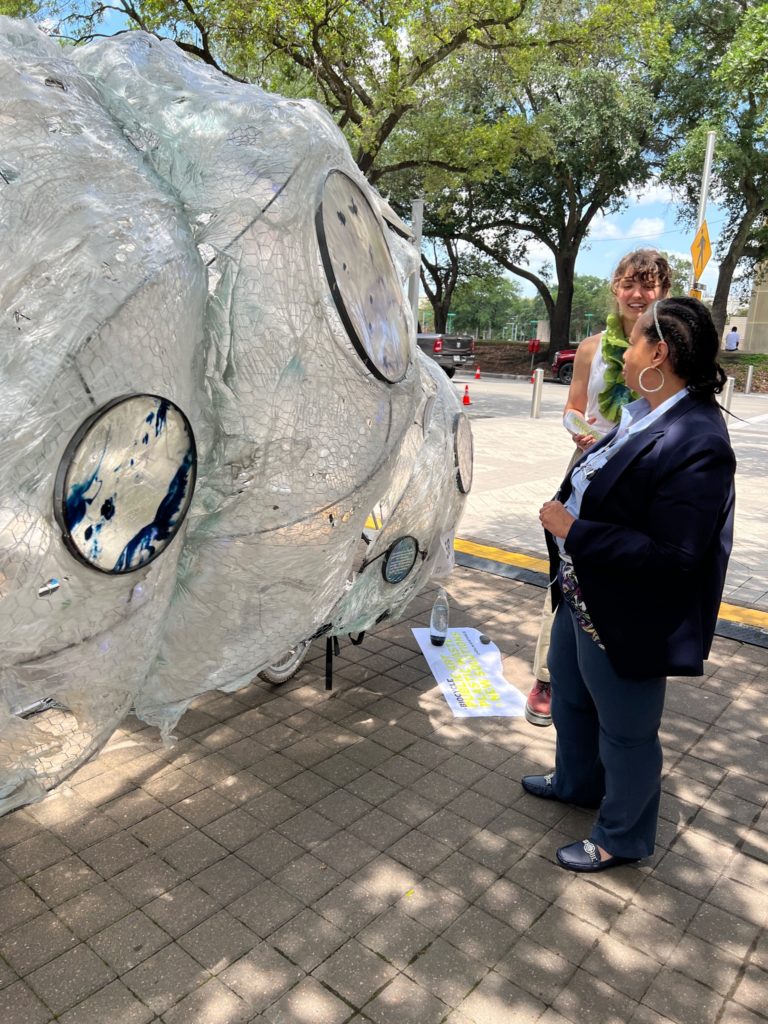
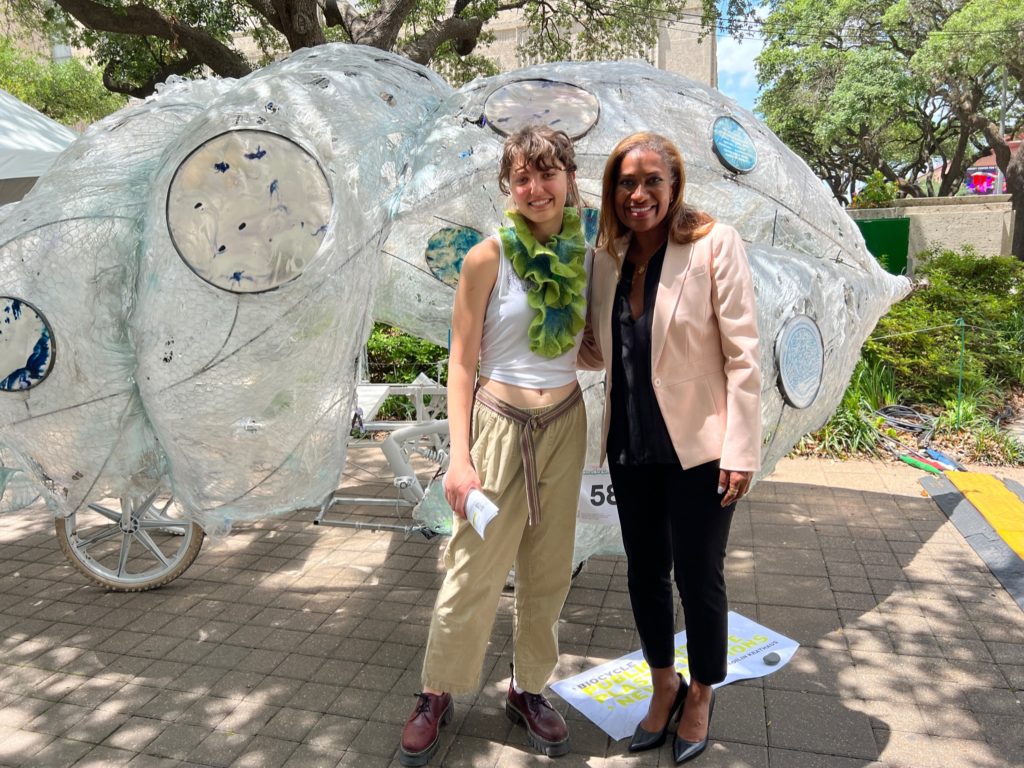
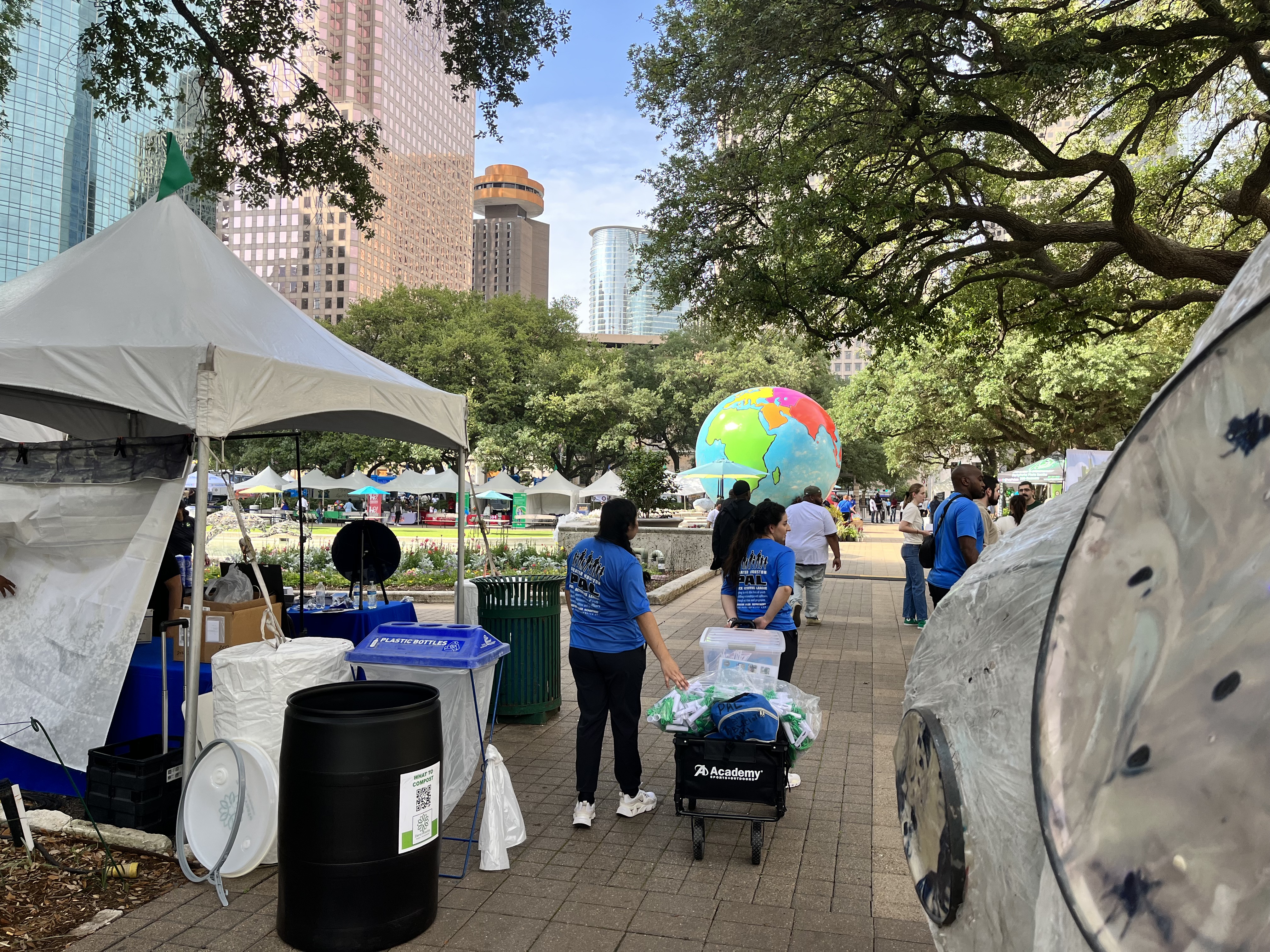
This piece aims to create discussion about plastic waste in areas where it may not be discussed enough. I want people to understand the importance of art in spreading awareness and making change while understanding the plastic crisis and how they can create change.
I believe my research adds new insight into ways in which art can combat societal issues such as plastic waste and climate change. The merging of art, design, and STEM is the future for solving these issues. I am super excited to connect with fellow Houstonians to share these fantastic new solutions through my art in hopes that I will bring more awareness about plastic and an overall greener future.