ORGANIZATION + ACTIVISM
BAG-FREE BAYOUS
Let’s make Houston plastic free.
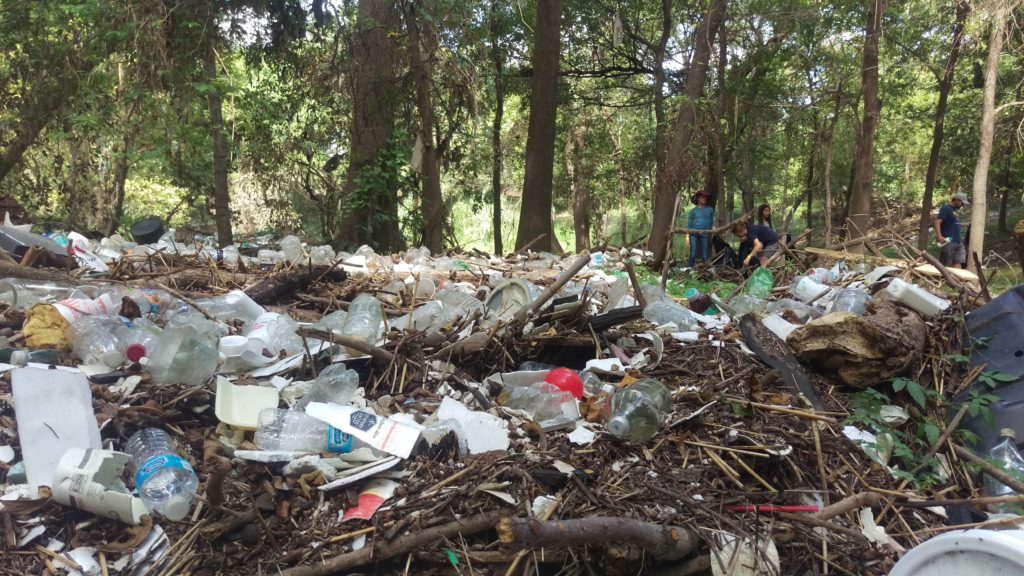
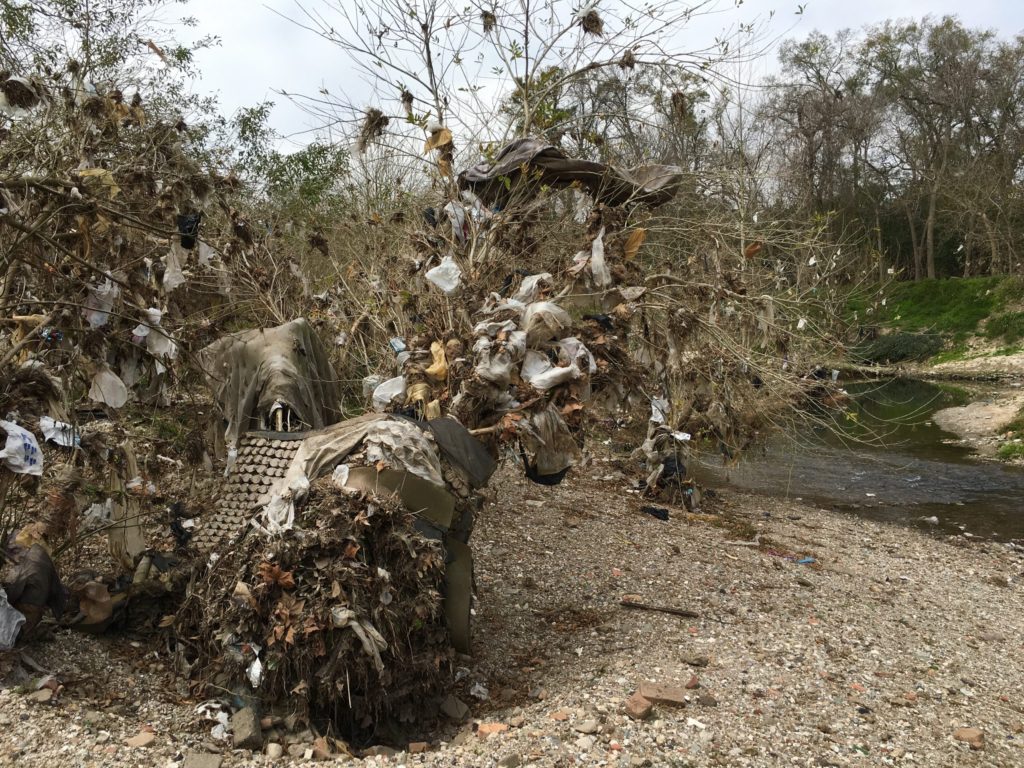
The ground was spongy like a mattress. No, it wasn’t from permeable soil or soft grass, it was from the layers of plastic bags that coated the shores of my neighborhood bayou.
Woodland Park is a skip away from my house. Situated right near downtown Houston, the park is cut in half by a bayou lined by an overgrown forest. A field and playground sit above the bayou’s sloping valley. Ever since I can remember, this park has been a meeting place for our tight-knit neighborhood: hosting birthday parties, capture-the-flag games, and, unfortunately, trash cleanups. Being one of the only areas in Houston with a bayou that is not lined with concrete, this forest has become a fishnet for trash.
With every rainstorm or hurricane, the valley floods to about 20-50 feet high with murky brown water. Styrofoam and plastic bottles collect in whirlpools and bags, tires, shopping carts, and other waste rise with the water. When the water eventually drains and evaporates under the violent Houston sun, areas where the whirlpools once were are knee-high basins of white foam and plastic. Plastic bags wave like Spanish moss in the bare branches of trees and the rocky shore of the bayou looks like the bottom of a fish tank with vibrant pieces of plastic mixed in with shattered glass bottles, and Sprite cans. I’ve made stepping stones with tires, dug up vintage TVs with friends, collected cool glass pieces near the water, constructed forts of plastic sheets, and pinched my
nose to block out this urban reality. It wasn’t until my 9th birthday party, when my friend Lila and I were strolling through the park, that we realized this wasn’t normal.
We were fed up.
Overnight, the petition to ban single-use plastic bags in the City of Houston had already garnered 1,000 signatures. One of our local news stations arrived that morning at our elementary school to get an interview with us. We had no idea that this moment was the start of something that would be with us for the next 8 years.
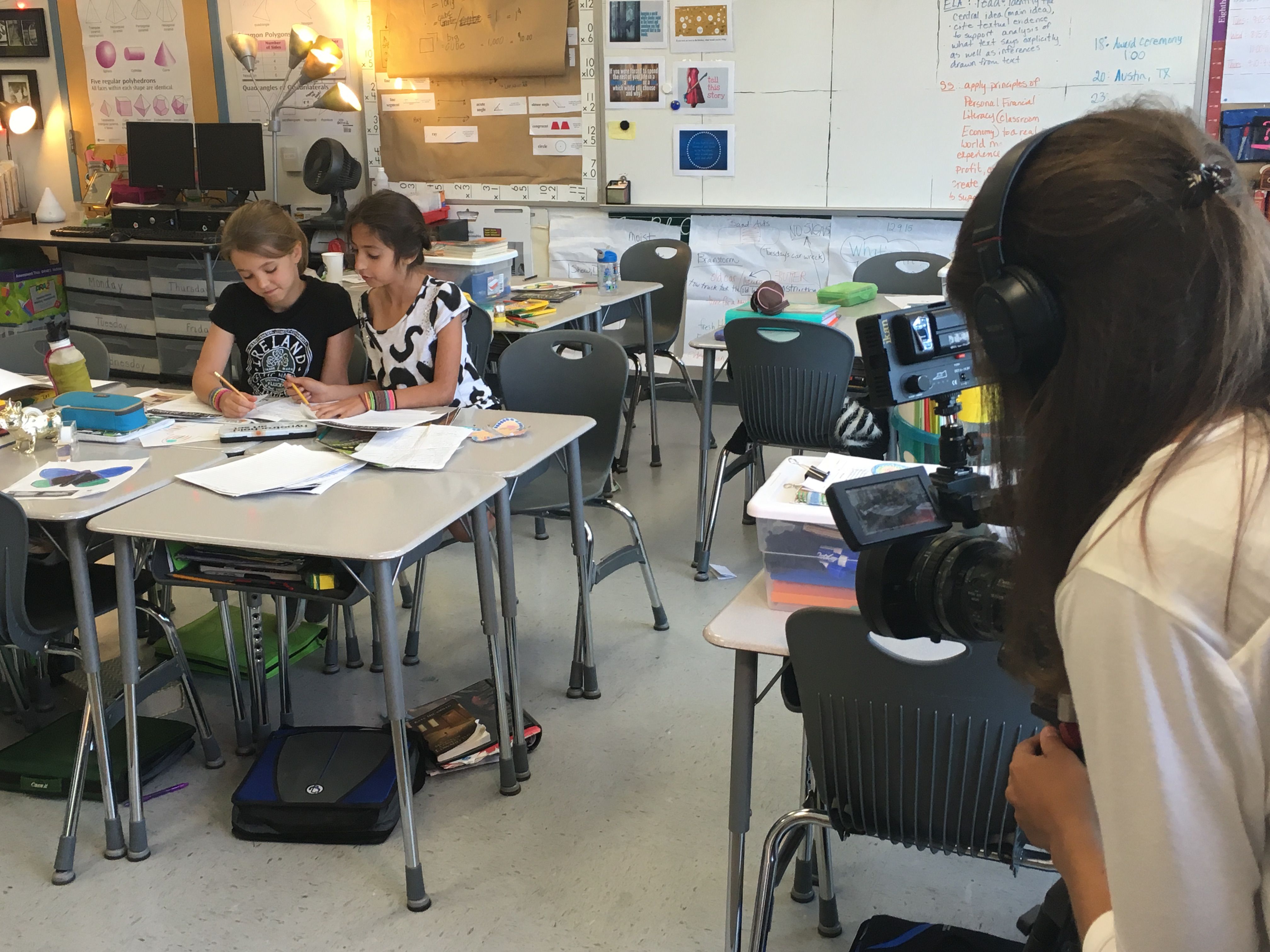
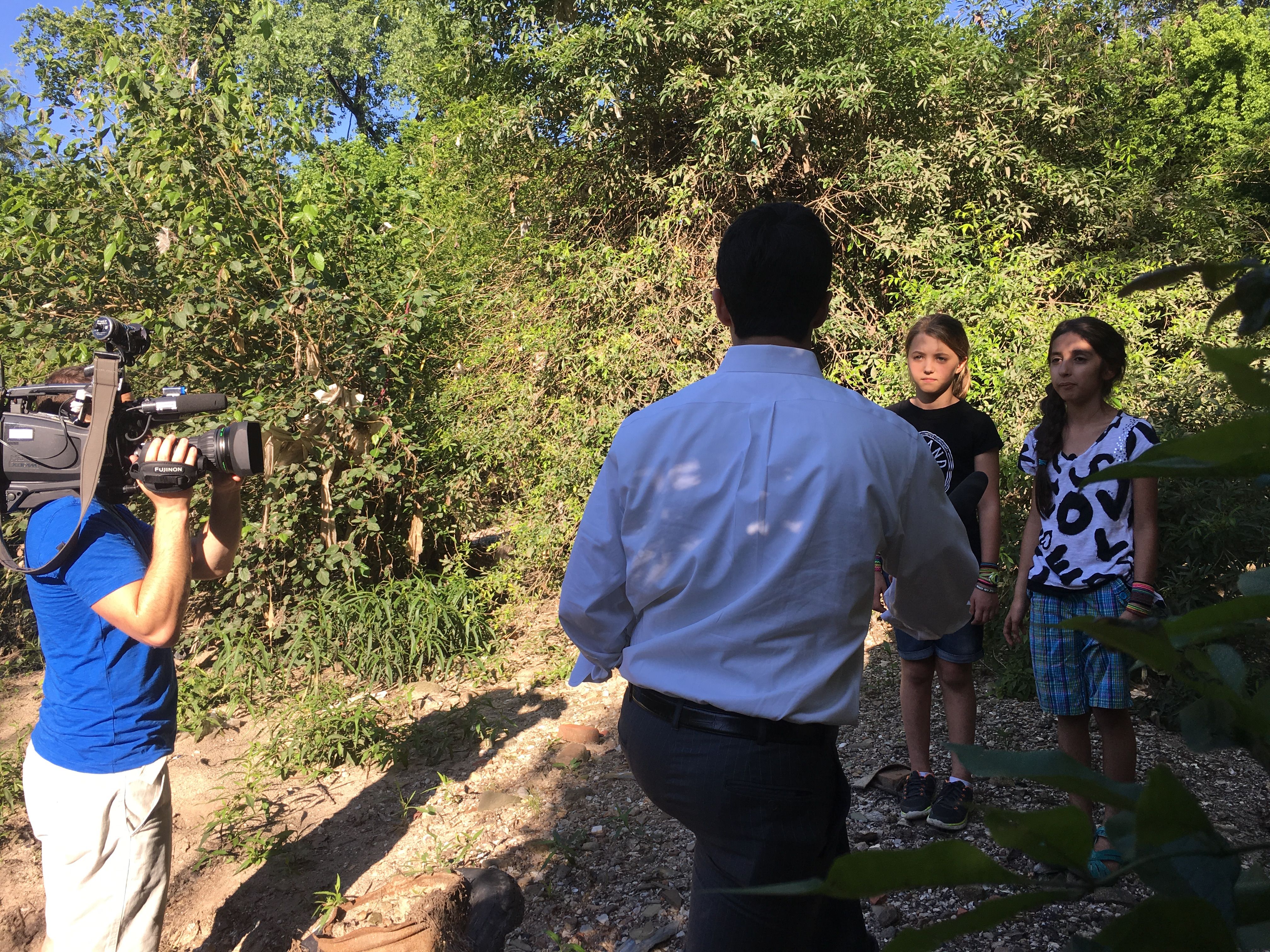
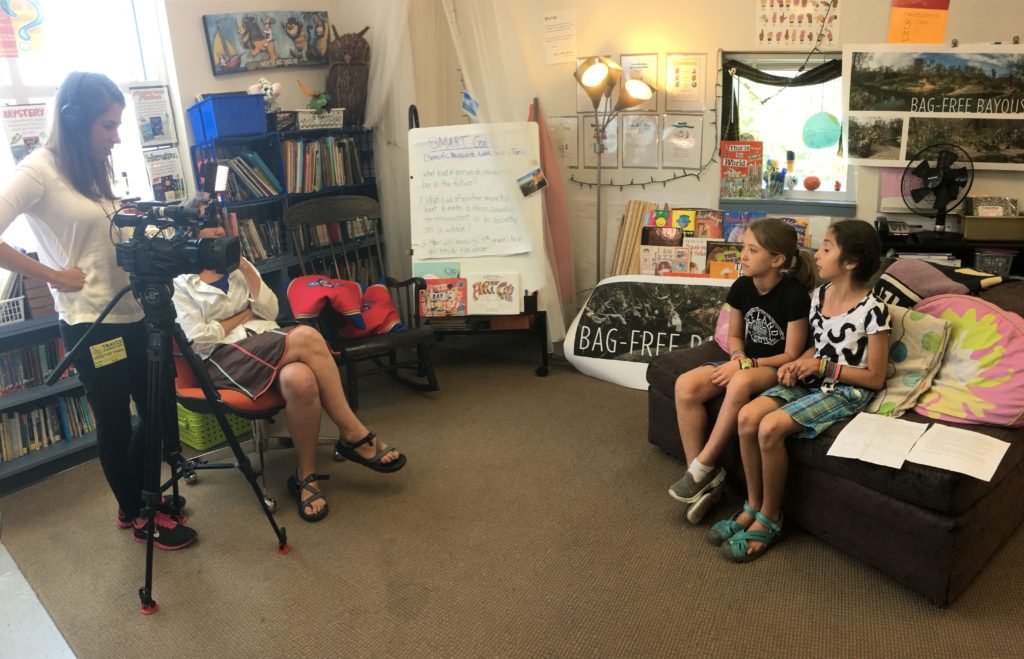
In the coming weeks, as the petition gained more signatures and other news organizations reached out to us, Texas Campaign for the Environment (TCE) reached out to invite us to lobby at the Texas Capitol against a new bill that would place a ban on single-use bag bans. With no hesitation and the success of our petition on the line, we readied our scripts, put on our 4th-grader-sized pantsuits, and hopped in the car to tell Austin what we believe in.
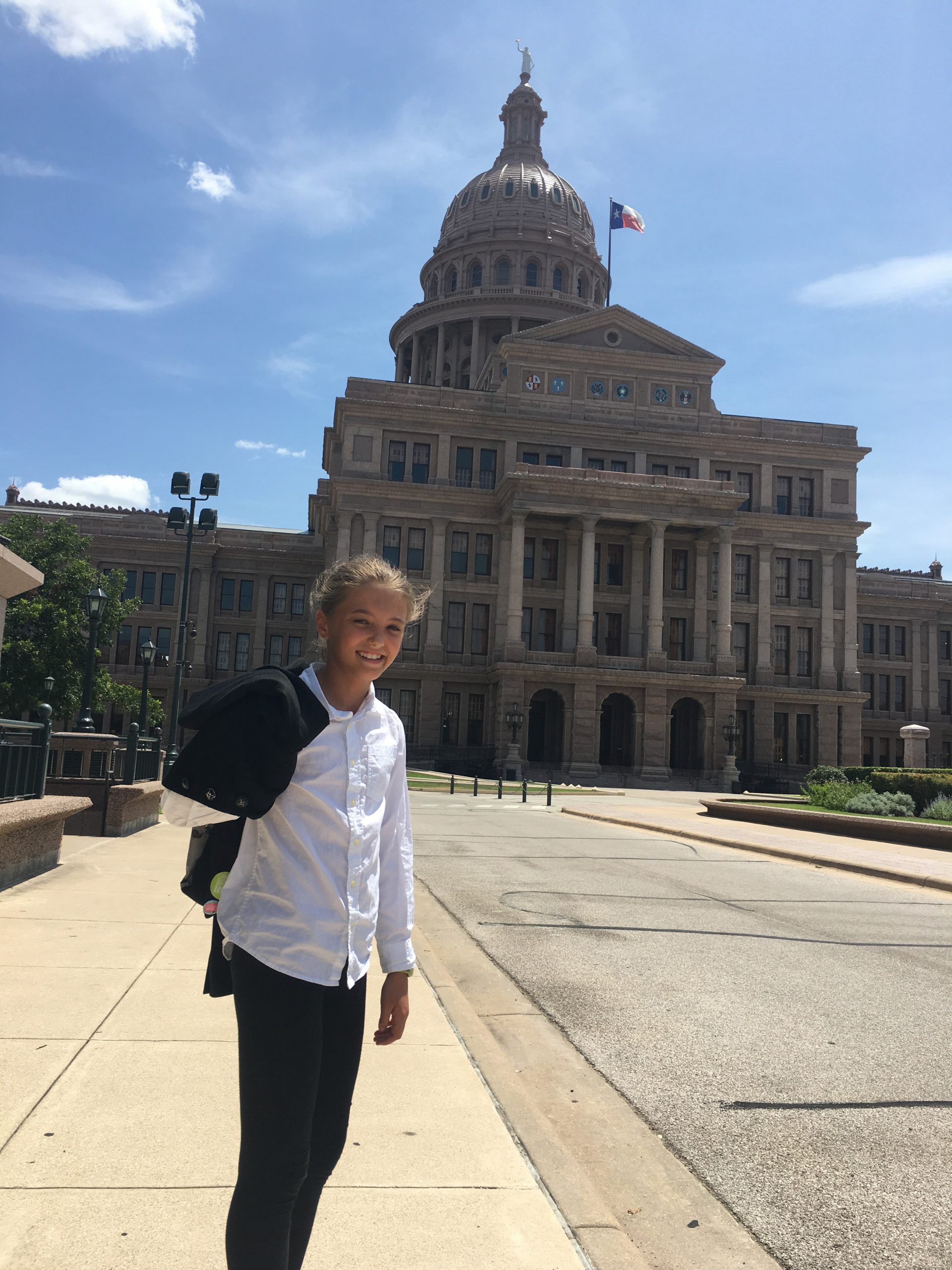
After being welcomed at the TCE headquarters, we made our way to the Capitol. The building was magical. I felt engulfed by the change-making, history, politics, and significance of the experience. We visited the offices of supporters and opposers, speaking our minds and sharing our stories. The feeling of making direct change empowered Lila and me to keep going back for years. We testified at hearings, spoke at press conferences in front of the Texas Supreme Court, did elevator pitches to senators and representatives (literally), and continued to lobby and meet people for a variety of bills.
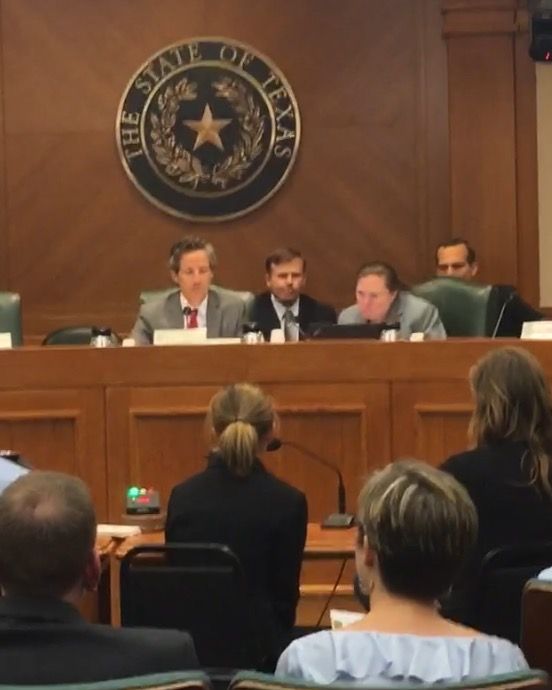
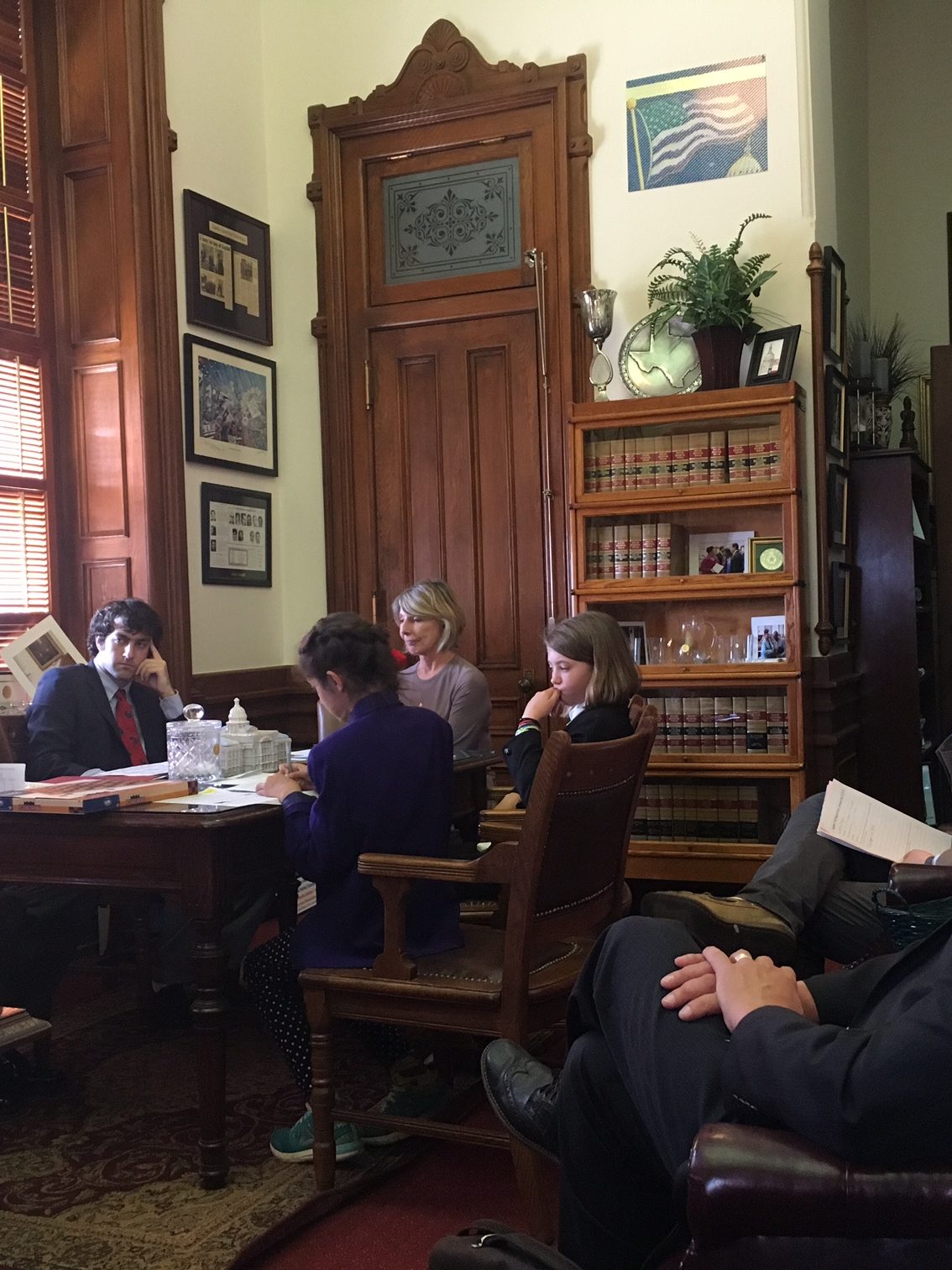
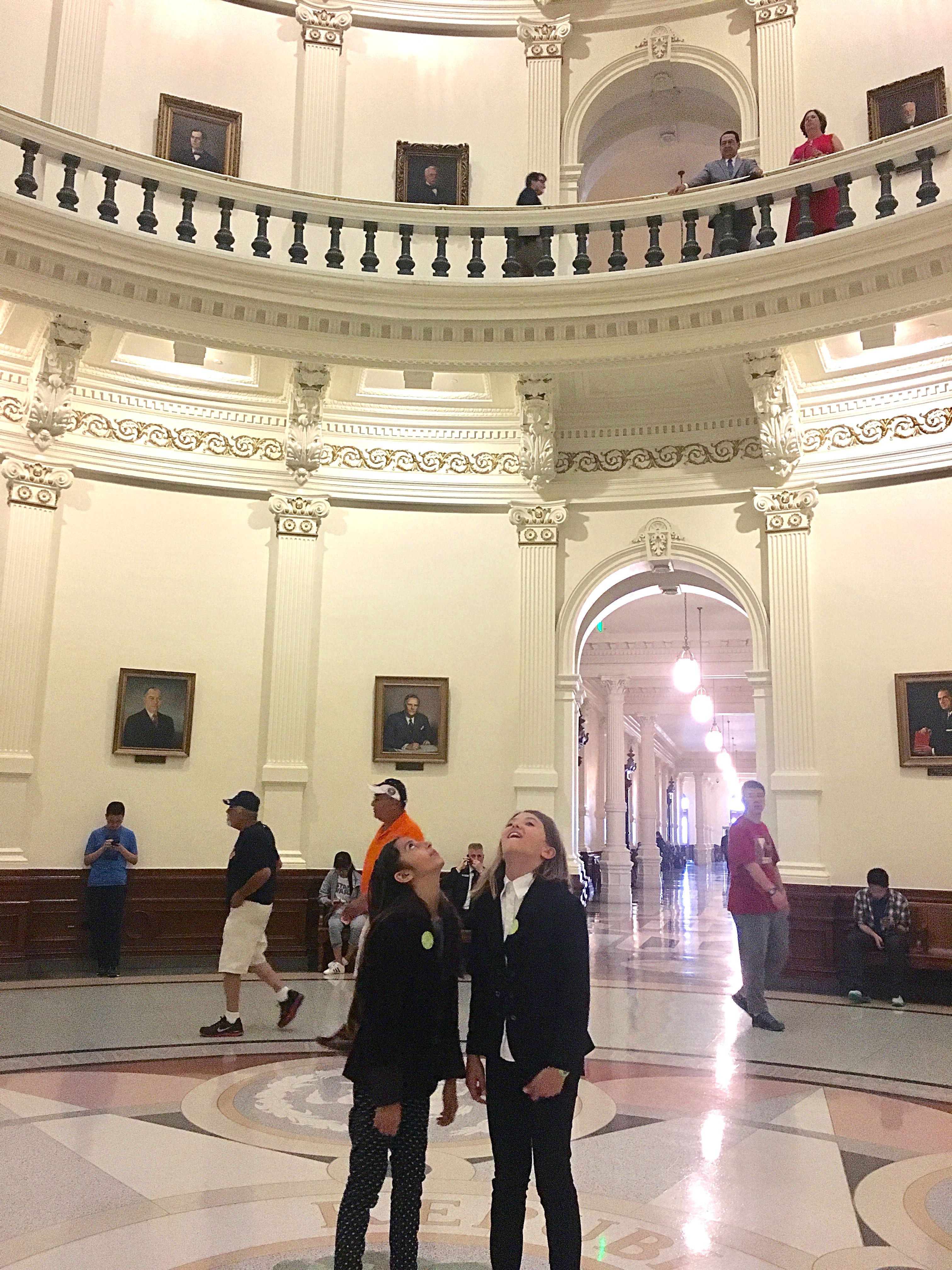
Unfortunately, the bill passed as single-use plastic bags were considered, in the Texas Supreme Court, to be a container and therefore “unbannable”. We were crushed. With our petition now ineffective, what would we do now?
Find an alternative.
After receiving a grant, we started our non-profit to make bags out of upcycled materials. We first experimented with t-shirts and jeans but quickly moved to banners after Downtown Houston offered us their old banners that were on their way to the landfill. We reached out to The Community Cloth, an organization that connects refugee seamstresses with work, and met Khatera, an Afghan refugee who was excited to work with us.
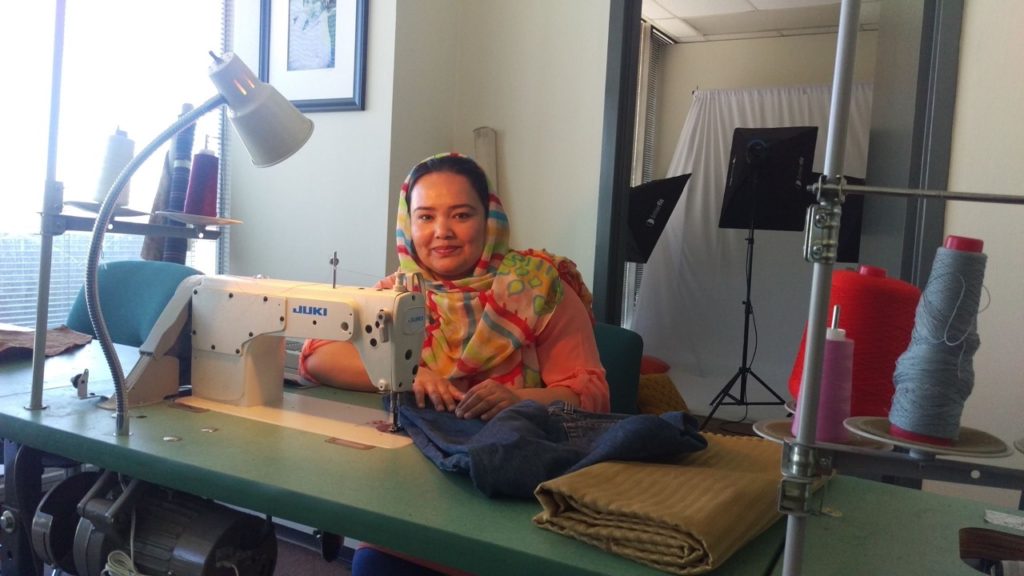

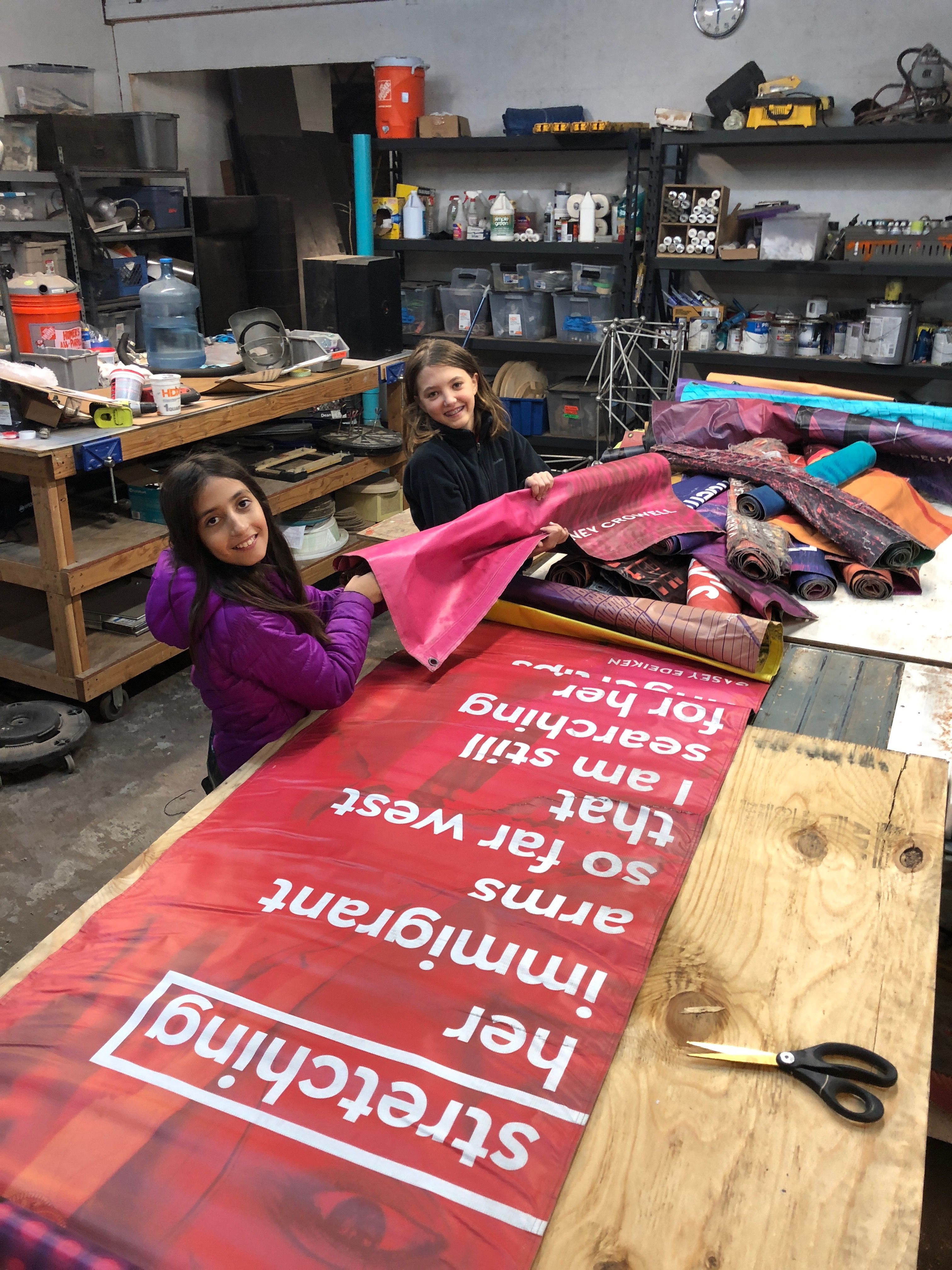
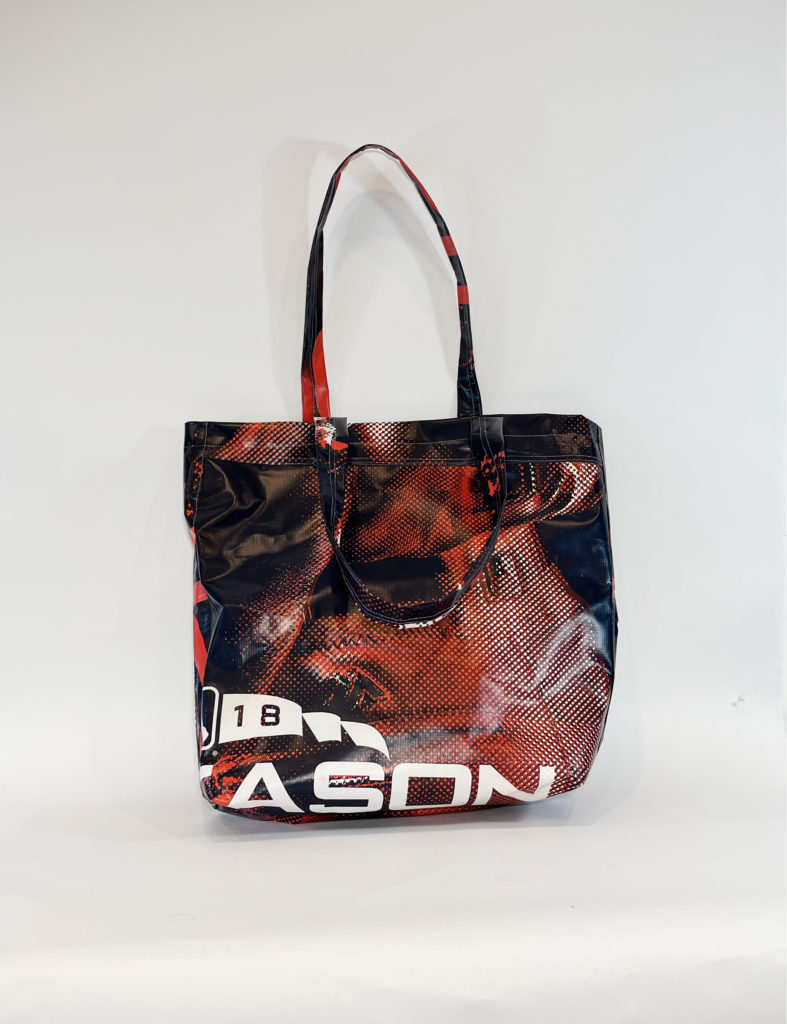
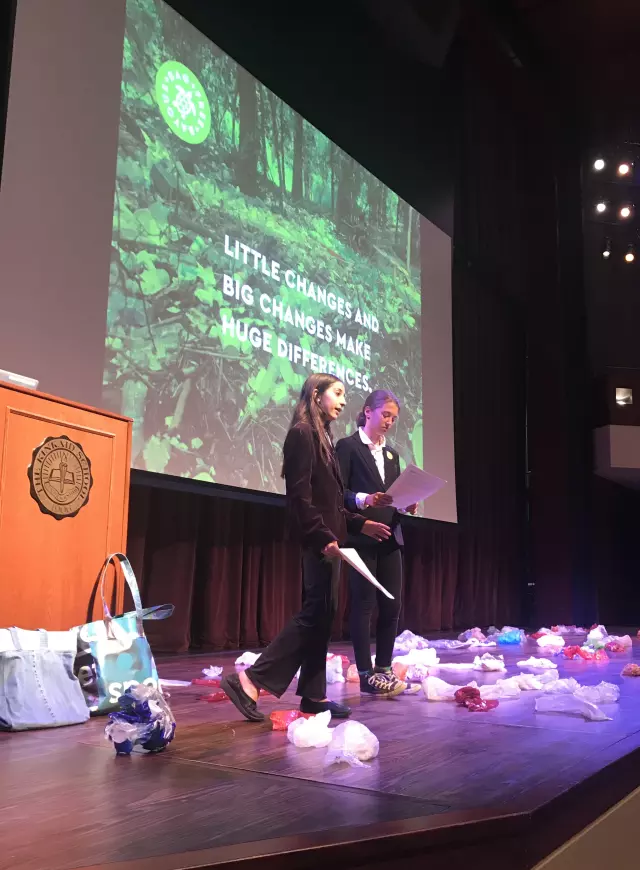
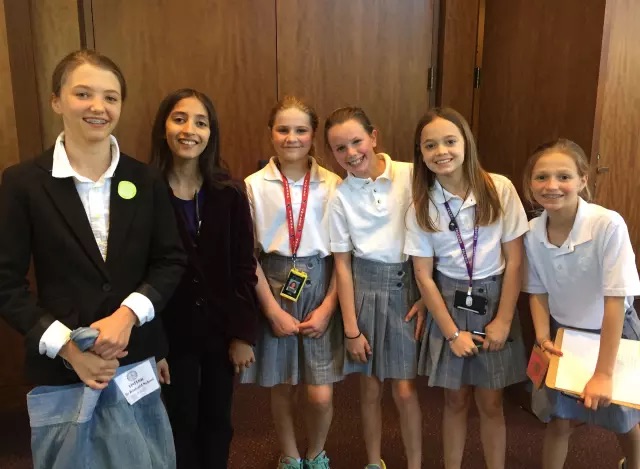
We built an online store and the bags were an absolute hit. Since then, we have continued to make bags with Khatera out of banners from the Houston Zoo, Astros’s Minute Maid Park, and other City Hall events. Our work made us want to empower other students to make a change in their community. We have visited numerous schools to share our story with the hopes that someday, kids will not stand on the side of the bayou, but swim in it.